
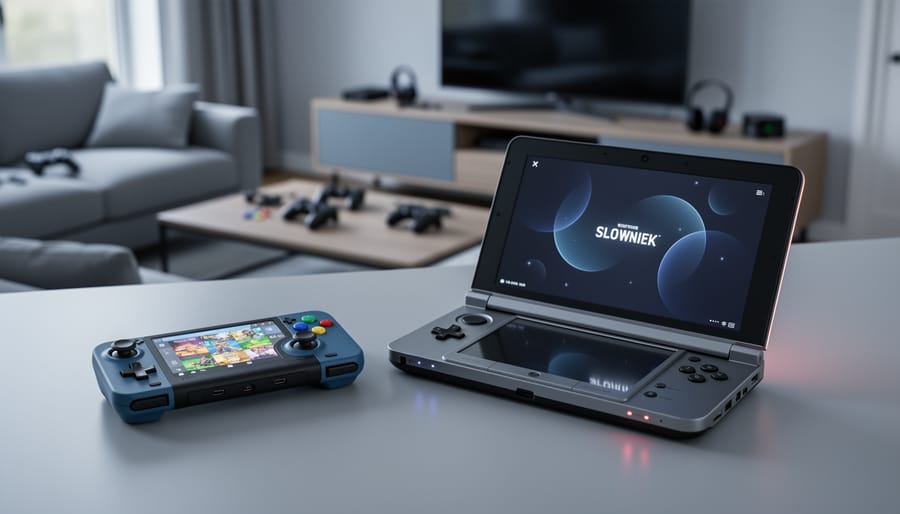
The handheld gaming market in 2026 offers two distinct paths: traditional portable consoles designed for plug-and-play simplicity, and portable gaming PCs that bring desktop-level performance at the cost of added complexity and higher prices. The Nintendo Switch 2 leads the traditional category with its exclusive first-party library and proven portability, while devices like the Steam Deck OLED (currently priced at $789 for 512GB and $949 for 1TB, up from its previous $549 starting point) represent the portable PC category, offering access to full PC game libraries and customizable performance settings.
Your choice hinges on three practical factors: game library preferences, technical comfort level, and budget constraints. Traditional handhelds excel for players who prioritize Nintendo exclusives or prefer straightforward, console-like experiences without configuration. Portable PCs appeal to those with existing Steam libraries, players who value graphics settings control, and users comfortable troubleshooting compatibility issues that occasionally arise with PC gaming.
Real-world user feedback consistently highlights a trade-off between convenience and capability. Traditional handhelds deliver longer battery life during actual gameplay and require minimal setup, while portable PCs demand regular driver updates and game-specific tweaks but unlock significantly broader game catalogs and mod support. Price gaps have widened in 2026, with premium portable PCs now commanding double or triple the cost of traditional handhelds, making budget a decisive factor for most buyers.
This guide breaks down current device categories, verified performance benchmarks, and customer-reported experiences to help you identify which handheld gaming system matches your actual play habits.
What Makes a Handheld Gaming System Worth Your Money in 2026
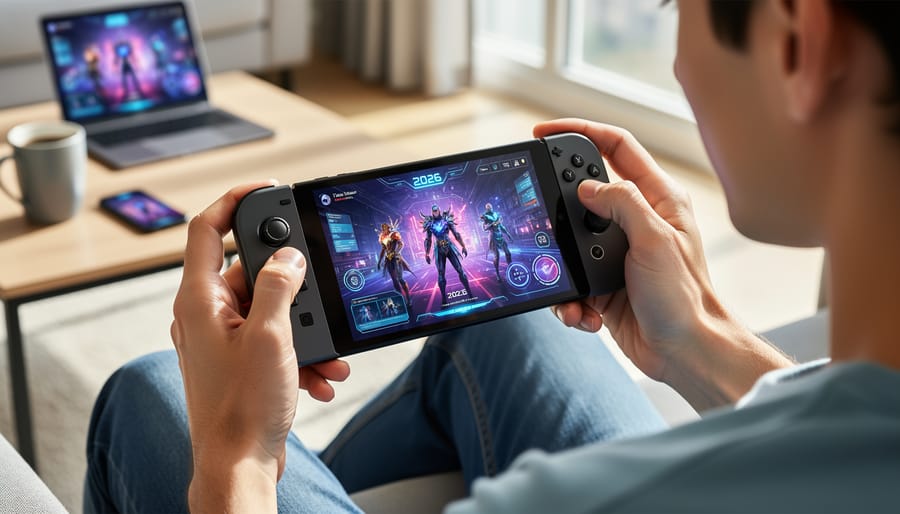
Not every handheld gaming device deserves your money, especially when prices can range from under $200 to well over $900. Understanding what separates a worthwhile purchase from a regret starts with examining six core factors that directly impact your gaming experience.
Performance capabilities determine what games you can actually run and how well they play. Traditional handhelds like the Nintendo Switch 2 prioritize optimized experiences for their exclusive libraries, while portable PC devices such as the Steam Deck OLED offer the horsepower to run AAA titles at varying settings. Consider what types of games you play most, because a device that handles indie titles smoothly might struggle with the latest demanding releases.
Screen quality affects every moment you spend gaming. Look beyond resolution to refresh rates, brightness levels, and display technology. An OLED panel delivers richer colors and deeper blacks compared to standard LCD screens, making atmospheric games more immersive and text easier to read during extended sessions.
Battery life remains the ultimate portability constraint. Most handhelds claim 3-8 hours depending on what you run, but intensive games drain batteries far faster than less demanding titles. Real-world testing shows significant variance between manufacturer estimates and actual performance under load.
Game library access shapes your entire content ecosystem. Some devices lock you into proprietary stores, others grant full access to platforms like Steam, and a few support multiple storefronts or emulation. Your existing game collection and preferred purchasing platform should heavily influence this decision.
Price-to-value ratio requires honest assessment of what you will actually use. The 512GB Steam Deck OLED costs $789 while the 1TB OLED reaches $949, substantial investments that only pay off if the capabilities match your gaming habits. Budget-friendly alternatives exist, but understand the performance compromises they require.
Build quality determines whether your device survives daily use or becomes a fragile liability. Solid construction, responsive controls, and repairable designs extend useful life significantly.
Current Market Leaders: What Real Users Are Saying
Traditional Console Manufacturers
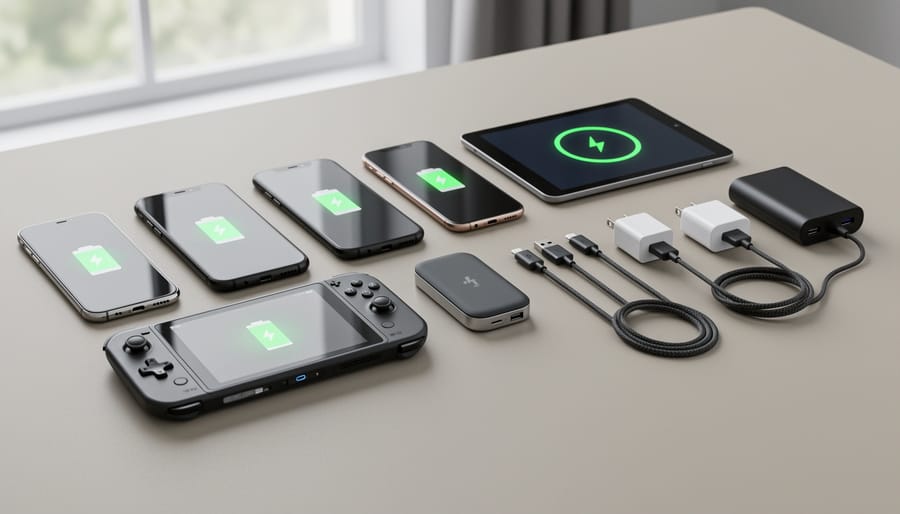
Traditional console manufacturers continue to dominate the dedicated handheld space in 2026, with Nintendo leading the charge. The Nintendo Switch 2 builds on the original’s massive success, offering an exclusive library of first-party titles that you simply can’t play anywhere else. Customer feedback consistently highlights the system’s plug-and-play simplicity, no configuration files, no compatibility troubleshooting, just insert a cartridge or download and play.
Parents appreciate the robust parental controls and age-appropriate content curation. The device wakes from sleep instantly, making it ideal for quick gaming sessions during commutes or lunch breaks. Users report that the seamless transition between handheld and docked modes remains a key selling point, particularly for families sharing one TV.
The trade-off? You’re locked into Nintendo’s ecosystem. Games rarely go on deep discount, and you won’t access your Steam or Epic libraries. But for players who value Nintendo’s beloved franchises, Mario, Zelda, Animal Crossing, that limitation matters less than the guarantee of quality exclusives designed specifically for the hardware.
Customer reviews reveal that battery life typically exceeds three hours for demanding titles, stretching to five or more for lighter games. The consistent performance across the entire library, without worrying about minimum specs or settings adjustments, makes these devices particularly appealing to casual gamers and families who want gaming to just work.
Portable PC Gaming Devices
Portable PC gaming handhelds bring a different value proposition: access to your existing Steam, Epic Games Store, and Xbox Game Pass libraries without buying games again. The Steam Deck OLED represents the category’s flagship option, with verified pricing of $789 for the 512GB model and $949 for the 1TB version as of this writing, a significant increase from the previous $549 starting price for OLED models.
What sets PC handhelds apart is their flexibility. You install Windows or SteamOS, then play games you already own. No proprietary storefronts. No platform lock-in. If you’ve built a Steam library over the years, these devices tap into that investment immediately. Performance varies widely by title, but most popular indies and many AAA games from the past few years run smoothly at medium to high settings.
Customer feedback consistently highlights two strengths: customization and compatibility. You can adjust graphics settings, install mods, and tweak performance profiles to prioritize frame rates or battery life. The Steam Deck’s community has developed detailed optimization guides for thousands of games, while devices running Windows offer broader compatibility at the cost of a less streamlined interface.
The trade-off? These devices demand more technical comfort than traditional handhelds. You’ll troubleshoot drivers, manage storage, and occasionally fix compatibility issues. Battery life suffers under demanding games, typically ranging from 90 minutes to four hours depending on settings. They’re also heavier and bulkier than dedicated gaming handhelds.
Beyond Steam Deck, the market includes several alternatives at various price points, each balancing performance, portability, and cost differently. Buyers often choose based on whether they prioritize raw power or better battery efficiency for their specific game library.
Budget-Friendly Alternatives
Budget-conscious gamers can find worthwhile handheld options well below premium pricing, though they’ll need to accept meaningful compromises. Devices in the $200-$400 range typically deliver solid performance for indie games and older AAA titles, but struggle with the latest releases at higher settings.
Customer feedback reveals a consistent pattern: buyers who understand these limitations beforehand report satisfaction, while those expecting Steam Deck-level performance at half the cost express disappointment. The sweet spot appears in devices that prioritize build quality and battery life over raw power.
Retro gaming enthusiasts find particular value in budget handhelds. These devices handle emulation and classic game libraries without issue, often matching the battery performance of premium units for less demanding titles. However, screen quality varies dramatically across budget options, with some models using washed-out panels that detract from the experience.
The biggest trade-off isn’t always performance. Budget devices frequently ship with minimal storage, requiring immediate microSD card purchases. Warranty support and long-term software updates lag behind major manufacturers, meaning buyers assume more risk. Customer reviews consistently emphasize checking return policies and realistic performance expectations before committing to cheaper alternatives.
Performance vs. Portability: Finding Your Balance

The central challenge facing handheld gaming buyers boils down to physics: more power demands larger batteries, better cooling, and beefier components, all of which add weight and reduce portability. The Steam Deck OLED, despite efficiency improvements, still weighs around 640 grams and requires active cooling fans that kick in during demanding titles. Meanwhile, dedicated handhelds like the Nintendo Switch 2 prioritize lower power consumption and fanless operation, resulting in lighter devices that stay cooler during extended sessions but can’t match the raw horsepower of portable PCs.
Battery life claims rarely survive real-world testing. A recent Switch 2 vs Steam Deck battery test revealed substantial differences between manufacturer estimates and actual gameplay duration, particularly when running graphically intensive AAA titles at higher settings. Portable PCs typically deliver two to four hours under load, while dedicated handhelds stretch to five or six hours with less demanding games.
Thermal management directly impacts your gaming experience. Devices prioritizing performance often run warmer and may throttle speeds during prolonged sessions to prevent overheating. This means the advertised performance numbers don’t always reflect sustained gameplay. Lighter, more portable devices sacrifice peak performance for thermal efficiency, resulting in consistent frame rates and cooler surfaces during typical play sessions.
Weight matters more than spec sheets suggest. Holding a 700-gram device for an hour-long gaming session creates genuine hand fatigue that lighter options avoid. The trade-off isn’t just power versus weight; it’s comfort during actual use versus bragging rights about GPU capabilities. Consider where and how you’ll actually play: commuting on public transport favours lighter devices, while gaming at home with the device docked or propped up reduces the portability advantage entirely.
Game Library Access: What You Can Actually Play
Your game library determines what you’ll actually enjoy playing, and ecosystem compatibility matters more than raw specs for many buyers. Traditional handhelds like the Nintendo Switch 2 lock you into their proprietary stores, which means purchasing games specifically for that platform even if you already own them elsewhere. This closed ecosystem offers curated quality and guaranteed compatibility, but restricts your options to what the manufacturer approves.
Portable PC devices like the Steam Deck OLED ($789 for 512GB, $949 for 1TB as of this writing) flip this model entirely. They grant immediate access to your existing Steam library without repurchasing titles, plus compatibility with Epic Games Store, GOG, and other PC storefronts through desktop mode. This flexibility appeals strongly to gamers who’ve built substantial PC collections over years, though not every PC game runs flawlessly on handheld hardware without community tweaks.
Cloud gaming services add another dimension. GeForce Now, Xbox Cloud Gaming, and similar platforms let you stream AAA titles to devices that couldn’t natively run them, though you’ll need reliable internet and might face latency issues. Some buyers pair cloud gaming with budget Bluetooth earbuds for portable sessions, while frequent travelers compare AirPods vs third-party options or seek out the best earbuds for travel to enhance their gaming audio.
Emulation capabilities on open platforms let you play retro titles from older consoles, though legality depends on your game ownership. Community-developed tools expand what’s officially supported, but require more technical comfort than plug-and-play options. Count your current games across platforms before choosing a device, because buying into the wrong ecosystem means starting your collection from scratch.
Common Buyer Questions Answered
Storage expansion remains one of the most frequent concerns among handheld gaming buyers. Most current devices accept microSD cards for additional capacity, though speeds vary significantly between card types. Internal storage upgrades are technically possible on some devices but typically void warranties. For Steam Deck OLED users, the jump from 512GB ($789) to 1TB ($949) represents the only official capacity difference between models, making the storage decision important at purchase time.
Can I upgrade the storage after purchase?
Most handhelds support microSD card expansion for additional game storage. Internal SSD replacement is possible on some devices but voids the manufacturer warranty.
Do these devices need screen protectors?
Glass screen protectors are recommended for devices with glossy screens, particularly if you’ll transport the handheld frequently. Matte screen models are less prone to visible scratching.
Can I connect these devices to a TV?
Nintendo Switch 2 and many portable PC devices support docking or USB-C video output for TV gaming. Check specific model capabilities before purchasing if this matters to you.
How long do these devices typically last?
Battery capacity degrades over 2-3 years of regular use. The devices themselves remain functional for 5+ years, though software support varies by manufacturer.
Warranty coverage differs substantially between manufacturers. Nintendo offers standard one-year warranties with optional extended protection plans. Valve provides limited warranty coverage but has earned positive customer feedback for repair support responsiveness. Third-party portable PC manufacturers show inconsistent warranty experiences based on user reports, making retailer return policies an important safety net during the first 30 days.
Build quality concerns center on joystick drift and button longevity. Customer feedback indicates drift issues appear across all price ranges, though premium devices generally use hall-effect joysticks that reduce this risk. Screen durability varies, with OLED panels requiring more careful handling than traditional LCD alternatives. Most users report satisfactory build quality when devices are treated as premium electronics rather than ruggedized hardware.
Making the Right Choice for Your Gaming Habits
Your gaming habits should drive your device choice, not the other way around. Start by evaluating how you’ll actually use the handheld. If you play in short bursts during commutes or lunch breaks, prioritize battery life and instant-resume features over raw performance. Those planning longer sessions at home might accept heavier devices with better specs.
Genre preferences matter significantly. Indie titles and Nintendo exclusives run smoothly on less powerful hardware, while AAA PC games demand devices like the Steam Deck OLED. Competitive multiplayer gamers need responsive controls and stable frame rates, whereas story-driven single-player fans can accept minor performance compromises for portability.
Budget considerations extend beyond initial purchase price. Understanding what budget electronics cost helps contextualize these investments. The $789 Steam Deck OLED represents serious money, but accessing your existing PC library eliminates ongoing software costs. Traditional handhelds require building a new game collection.
Consider whether this will be your primary gaming platform or a companion device. Primary users need robust performance and extensive game libraries, justifying higher investment. Secondary-device buyers can focus on portability and specific use cases, potentially saving hundreds.
Don’t rush the decision. Practice timing deals in 2026 applies here too. Prices fluctuate, and waiting a few months often yields better value or newer models.
The handheld gaming landscape in 2026 offers genuine choice, but only if you cut through the marketing noise and focus on what actually matters for your gaming habits. The devices worth your money, whether that’s a Nintendo Switch 2, a Steam Deck OLED at $789 for 512GB, or another option entirely, aren’t determined by hype cycles or influencer endorsements. They’re validated by real user experiences and measurable performance that aligns with how you actually play.
Before you commit to any purchase, ask yourself what you’ll genuinely use it for. A device with spectacular specs means nothing if its weight makes hour-long sessions uncomfortable, or if its battery dies during your commute. Similarly, the most affordable option isn’t a bargain if it can’t run the games you want to play.
The strongest purchase decisions in this category come from buyers who matched device capabilities to their actual needs, not their aspirational gaming habits. Read verified customer feedback, understand the trade-offs each device makes, and be honest about your budget and play patterns. The right handheld gaming system is the one you’ll still be using six months from now, not the one that looks best in a comparison chart.


No Comments