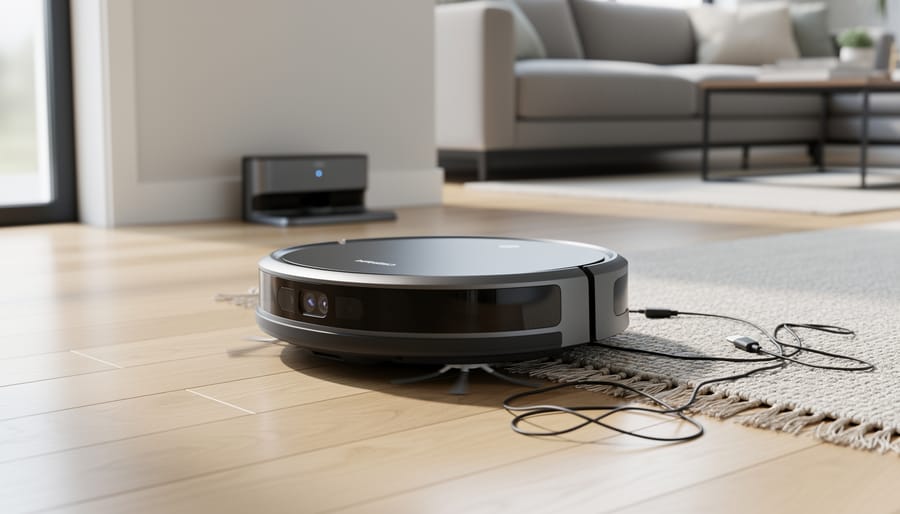
The right robot vacuum depends on four things: your floor types, whether you need mopping, how much pet hair or clutter you deal with, and how hands-off you want maintenance to be. Get those right and most models in the mid-range will do the job. Get them wrong and even a powerful machine ends up stuck on rug fringe or left idle because the dustbin fills too fast.
In the interest of transparency, we earn a commission on some purchases made through links on this site. As an Amazon Associate I earn from qualifying purchases.
Suction ratings, measured in pascals (Pa), are the spec shoppers see first, and they’re a useful starting point. Higher numbers generally mean better pickup on carpet and embedded dirt. But navigation and obstacle avoidance matter just as much. A robot that maps your home efficiently and steers around cables and socks will clean more of the floor than one that simply pulls harder. Self-emptying and self-cleaning docks add convenience, though they change how much upkeep you’ll face week to week.
Robot types split into basic vacuum-only units, vacuum-and-mop combos, and full docking-station systems. Each suits a different home and tolerance for maintenance.
This guide compares eight models, including the Lefant M210Pro Robot Vacuum Cleaner,4000Pa Suction the roborock Qrevo S Pro Robot Vacuum Cleaner and the eufy Robot Vacuum C10 using specifications and customer ratings. It also covers the buying mistakes that lead to returns and answers the questions shoppers ask most.
Key Buying Factors for a Robot Vacuum in Robotic Home Cleaning Solutions
Suction Power and What the Pascal Number Really Tells You
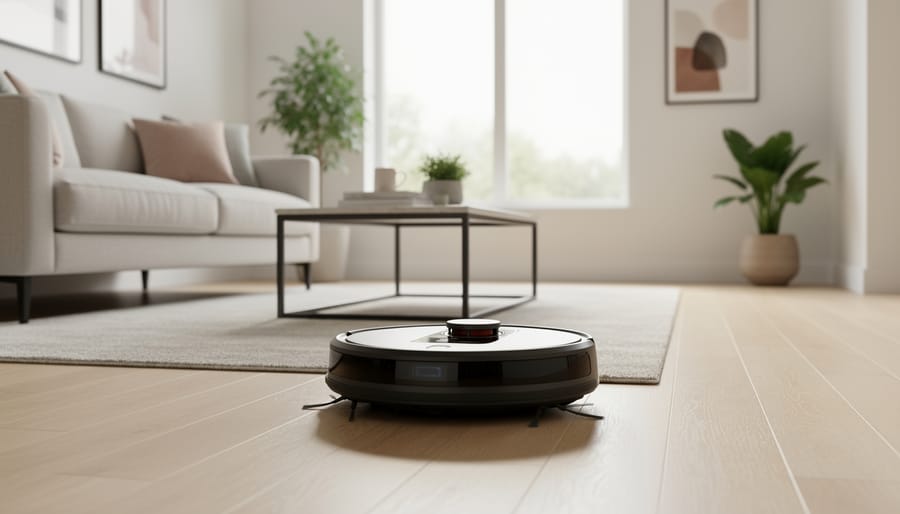
Pascal (Pa) measures suction pressure, the pulling force a motor can generate. A bigger number signals a stronger motor, but it doesn’t guarantee cleaner floors. Brush design, floor type, and airflow all shape real results. A wide, well-designed brush on hard floors can outperform a high-Pa robot with a poor brush, and carpet usually demands more than tile does.
Premium models show how specs get stacked. The Ecovacs Deebot X2 Omni lists 8,000Pa, alongside mapping software, AI obstacle avoidance, self-emptying, and self-cleaning, and PCMag rated it Editors’ Choice. Features like these often push the price up, so weigh budget electronics cost against what you’ll use.
Check battery life matters on each manufacturer’s listing, since runtime isn’t stated consistently.
| Factor | What it means | What to check on the listing |
|---|---|---|
| Suction power | Pulling force, measured in Pa | The Pa figure plus brush type |
| Navigation | How the robot maps and plans routes | LiDAR or camera mapping |
| Self-emptying | Dock removes dust from the bin | Dock included, bin upkeep |
Navigation, Mapping and Obstacle Avoidance
Basic robot vacuums use bump-and-turn navigation. They drive until they hit something, then change direction. It works for small, simple rooms, but coverage can be uneven, and the robot may miss spots or cover others repeatedly.
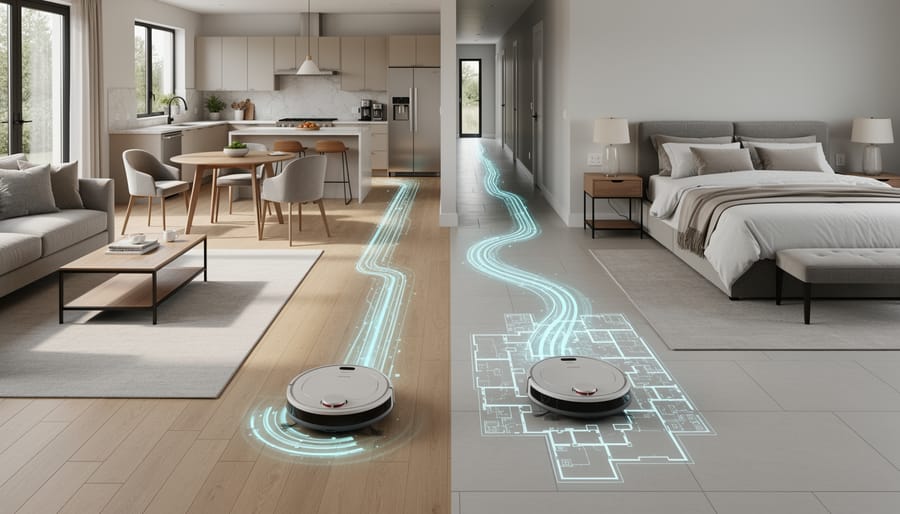
LiDAR and camera-based systems take a different approach. LiDAR uses a spinning laser sensor to measure distances and build a floor plan. Camera-based systems use visual cues to do something similar. Either way, the robot follows planned, orderly routes instead of wandering.
A saved map unlocks the features most owners use daily. You can send the robot to a single room, split a floor plan into zones, or draw no-go areas around pet bowls, rug fringes, or a children’s play corner.
AI obstacle avoidance adds another layer. The robot’s sensors identify objects in its path, such as charging cables, socks, or a pet accident, and steer around them instead of dragging or smearing them. Models like the Ecovacs Deebot X2 Omni list AI obstacle avoidance alongside mapping software as core features, though performance still varies by model and home.
Types of Robot Vacuums Compared: Vacuum-Only, Vacuum-and-Mop, and Self-Emptying Models
Hard Floors, Carpets and Pet Hair: Matching Type to Home
The right robot vacuum depends less on the headline suction figure and more on what your floors actually look like day to day. Here is how common household conditions map to the features worth prioritizing:
- Pet owners: anti-tangle brushes to resist hair wrapping, plus a self-emptying bin to cut down on dust handling.
- Mostly carpet: automatic carpet boost and strong suction, since pile traps more debris.
- Mostly hard floor: a slim body for reaching under furniture and an optional mopping function.
- Small apartment: basic mapping and compact size are usually enough.
- Large multi-room home: reliable mapping, room selection and no-go zones to cover space efficiently.
Mixed homes are common, so look for a model that handles both surfaces rather than excelling at only one. Carpet boost raises suction when the robot detects thicker pile, which helps in homes that switch between rugs and tile.
Keep in mind that battery runtime is rarely stated consistently across listings. Check the manufacturer’s page for each model instead of assuming it will cover a large home in one run.
How the Eight Models Were Selected and Rated
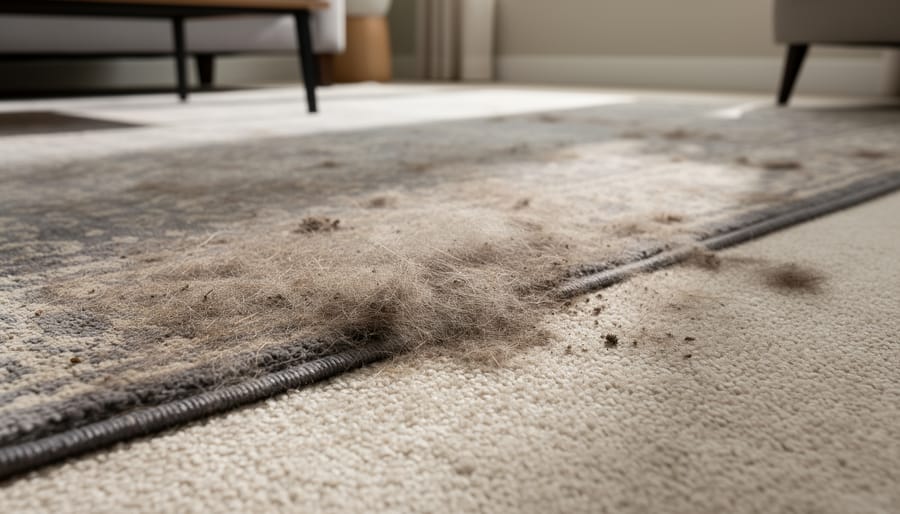
The eight models in this guide come from a fixed roster, not an open-ended search of the market. That keeps the comparison consistent and avoids favoring any brand. Each model is described the same way: its listed features, its customer rating, and who it may suit.
Ratings reflect aggregated customer feedback on retail listings. Each score is an average across the number of ratings shown, so a model with thousands of ratings carries more evidence than one with a few hundred. Still, a rating is one input among several, and it says little about how a robot will handle your particular floors.
Specifications come from the product listing titles. Titles can shorten or simplify details, so confirm suction figures, features, and compatibility with the manufacturer before buying. Battery runtime is a good example, since it is rarely stated consistently across listings.
This guide makes no claims about prices, discounts, or deals. Those change often, so check current listings directly.
Lefant M210Pro Robot Vacuum Cleaner,4000Pa Suction: A Vacuum-Focused Entry Option

The Lefant M210Pro is the most straightforward option in this roster: a vacuum-only unit with a listed 4000Pa suction rating and an anti-tangle design. It skips mopping and self-emptying, which keeps the feature set simple and suits buyers who mainly want routine dust and debris handled on hard floors and low-pile rugs.
The anti-tangle design is the practical selling point. Hair wrapping around a brush roll is one of the most common robot vacuum annoyances, so a model built to reduce it appeals to households with long hair or pets. Remember that the 4000Pa figure comes from the product listing, and suction alone does not predict real-world results. Brush design and airflow matter just as much, a point worth keeping in mind when reading any of the unbiased reviews and rating summaries you come across.
Customers rate it 4.4 out of 5 from 916 ratings, which points to generally positive owner experience. A rating is a summary, not a guarantee, so skim recent comments for details about your own floor types and home layout. The model is currently in stock, though you should confirm specifications with the manufacturer before buying.
HONITURE Robot Vacuum Cleaner with Mop G20: Mapping and Mopping for Pet Homes

The HONITURE G20 is built around a few things that matter in a pet household: mapping, a carpet booster, and a listed 8000Pa of suction. Mapping lets the robot plan its routes and lets the owner manage cleaning from the app, and the listing also shows control through Alexa and a remote. At 7.6cm thin, it’s designed to slip under furniture where pet hair and dust tend to collect.
The listing positions it for pet hair, hard floors, and carpet, which makes it a fit for mixed-floor homes. The carpet booster is the feature to note there, since carpet is where hair tends to settle deepest. As with any robot in this guide, the suction number is only part of the picture. Brush design, airflow, and floor type affect real results, so treat 8000Pa as a rough indicator, not a guarantee.
Owner feedback is positive. The G20 holds a 4.4 out of 5 rating from 1,219 customer ratings, one of the higher scores in this roster. Buyers who want a mapping robot with mopping for pets and mixed floors will find it a reasonable candidate, though battery runtime isn’t stated consistently in the listing, so check the manufacturer’s page. It’s currently in stock.
Lefant M2 Plus Robot Vacuum with Mop: Self-Emptying for Less Maintenance

The Lefant M2 Plus Robot Vacuum with Mop is the self-emptying option in this group, and its main appeal is less frequent maintenance. Instead of emptying a small onboard bin after most runs, the owner relies on a dock that collects the debris. The listing advertises a 75-day hands-free claim, which means the dock is meant to go that long between emptying. That figure comes from the manufacturer’s listing and has not been independently verified, so real-world intervals will depend on home size, pet hair, and how often the robot runs.
Customer feedback gives a useful reality check. The model holds a 4.3 out of 5 rating from 1,768 customer ratings, which is a sizeable pool of owners. Comments on listings like this tend to center on how much less often they handle dust compared with a bin-only robot, and on whether the mop function suits their floors. Treat those themes as general patterns rather than guarantees.
It suits households that want to cut routine upkeep but still do light mopping on hard floors. Battery runtime isn’t confirmed here, so check the manufacturer’s listing before buying. At the time of writing, the model is listed as in stock.
roborock Qrevo S Pro Robot Vacuum Cleaner: High-Suction Vacuum and Mop
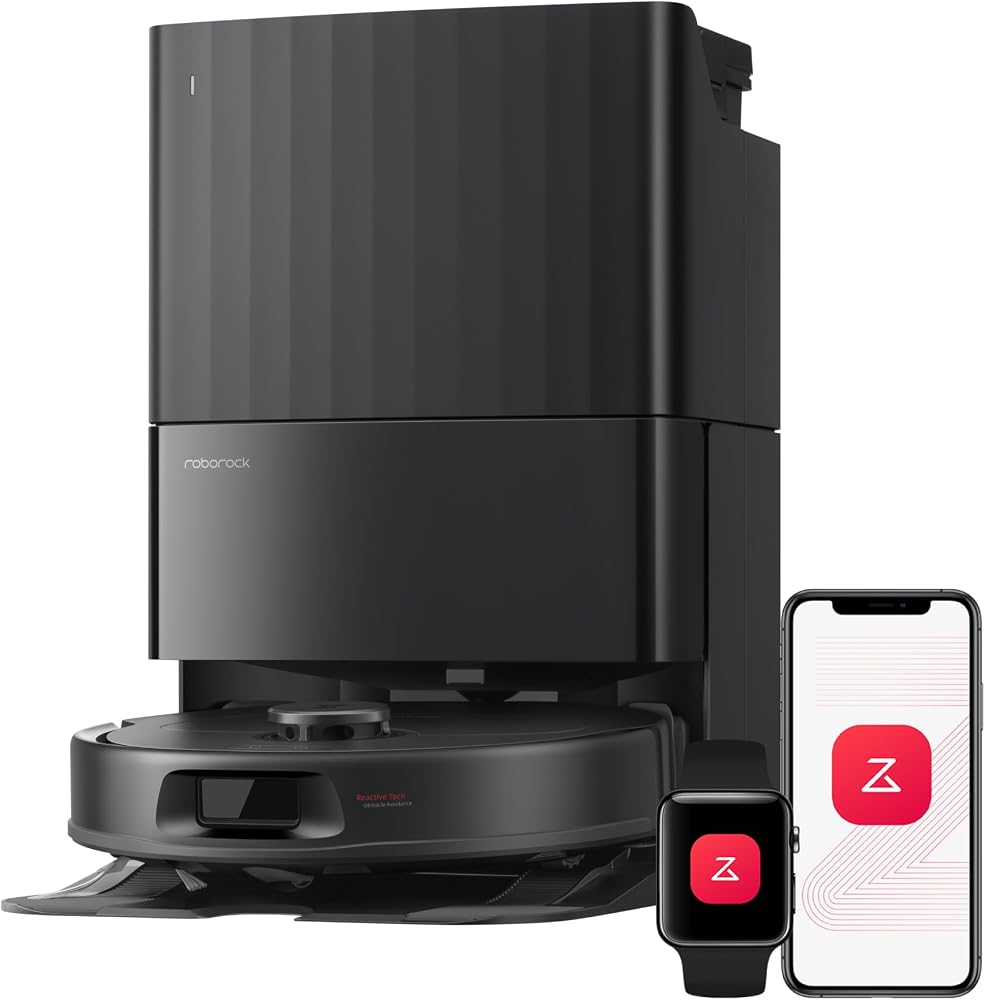
The roborock Qrevo S Pro is listed with 18,500 Pa of suction and a mopping function, so it covers both vacuuming and wet cleaning in a single robot. That suction figure sits well above the other models in this roster. The Lefant M330 Pro is listed at 5000Pa, the HONITURE G20 at 8000Pa, and the second HONITURE model at 10000Pa, so the Qrevo S Pro is the highest-rated model on paper for raw suction.
That number deserves some caution, though. Pa measures peak suction at the motor, not how well the robot lifts debris from your particular floors. Brush design, airflow, and how well the robot covers a room all affect results, so a higher figure does not guarantee a cleaner home. Treat it as one input rather than a verdict.
Customer feedback gives a more practical picture. The model holds a 4.3 out of 5 rating from 2,209 customer ratings, which is a substantial volume of owner input and puts it near the top of the roster by rating count. Because the figure is an aggregate, it reflects overall owner satisfaction rather than any single feature. Buyers weighing a vacuum robotic cleaner that also mops will find this model worth a closer look, and it is currently listed as in stock.
Lefant M330 Pro Robot Vacuum Cleaner: LiDAR Navigation at 5000Pa

The Lefant M330 Pro pairs LiDAR navigation with 5000Pa of listed suction and a mopping function. LiDAR stands for light detection and ranging. A small spinning sensor fires laser pulses and measures how long they take to bounce back, which lets the robot build a map of a room’s layout. Because it relies on measured distances rather than random bumping, a LiDAR robot can plan orderly, overlapping passes and keep track of where it has already cleaned. That generally means more consistent coverage and a map that holds up in dim rooms, since the laser doesn’t depend on ambient light the way a camera does.
The 5000Pa figure comes from the product listing. As noted earlier in this guide, suction numbers are only one piece of cleaning performance, so brush design and floor type still matter. The mopping function suits mixed-floor homes where a quick wet pass between deeper cleans is useful.
Owners rate it 4.3 out of 5 from 790 customer ratings, a smaller sample than some models in this roster, so treat it as a solid signal rather than a definitive one. The listing shows the M330 Pro as in stock. Confirm current specs with the manufacturer, since battery runtime isn’t covered here.
HONITURE Robot Vacuum Cleaner with Mop 10000Pa: Auto Carpet Boost and Voice Control

The HONITURE G20 PRO with 10000Pa listed suction is aimed at homes that mix hard floors with the occasional rug. Its listing highlights automatic carpet boost, which raises suction when the robot detects carpet, so the setting adjusts without you switching modes. Control runs through an app, Wi-Fi and Alexa, which means voice commands and scheduling are covered.
The body is described as super thin, a practical advantage if you want it to reach under sofas and beds. The listing also positions it for pet hair on hard floors, and it includes a mop function for light damp cleaning.
Owners rate it 4.3 out of 5 from 1,016 customer ratings, and it’s currently in stock. When you read those customer rating signals treat them as one input rather than a verdict, and look at what reviewers say about everyday behavior on their own floor types. Battery runtime isn’t stated consistently, so confirm it on the manufacturer’s listing.
One practical note: the roster also includes another HONITURE model, the G20 with mopping and mapping, which lists 8000Pa. This one is the G20 PRO at 10000Pa with auto carpet boost, so check the full product title before buying.
roborock Q7 L5+ Robot Vacuum Cleaner: Self-Emptying Dock with Mopping

The roborock Q7 L5+ pairs vacuuming and mopping with a self-emptying dock, and the dock is the feature that changes how often you handle dust. Instead of removing the robot’s bin after each run, the robot returns to the dock and transfers debris into a larger bag-style container. That shifts the chore from every cleaning cycle to an occasional dock check, which suits households that run the robot several times a week.
The mopping function adds a light wet-cleaning pass for hard floors. As with most robots that combine both functions, it is better suited to maintaining already-swept floors than to scrubbing dried-on messes, so set expectations accordingly. The listing does not state a battery runtime in the data used for this guide, so confirm that figure with roborock before buying, especially for larger homes.
Customer feedback gives a useful read on real-world ownership. The model holds a 4.2 out of 5 rating from 1,193 customer ratings, a solid score that sits just below most other models in this roster. Owner comments tend to center on the convenience of the emptying dock and the day-to-day reduction in upkeep, which is the main reason buyers choose a dock-equipped robot over a bin-only model.
The roborock Q7 L5+ is currently in stock. It fits shoppers who want a self-emptying robot with mopping and are comfortable replacing dock bags periodically.
eufy Robot Vacuum C10: Self-Emptying with an Eight-Week Hands-Free Claim

The eufy Robot Vacuum C10 is a self-emptying model, which means a dock pulls dust out of the robot’s bin so the owner handles debris far less often. The listing makes a bold promise of eight weeks hands-free. That figure comes from the product title itself, and how long a bin actually lasts depends on the home, so it is best read as a manufacturer claim rather than a guarantee. A house with long-haired pets and heavy foot traffic will fill a dock faster than a small apartment with bare floors.
What sets this model apart in the roster is the volume of feedback behind it. Its 4.3 out of 5 rating comes from 2,893 customer ratings, the largest count of the eight models. A bigger sample tends to smooth out one-off bad units and unusually generous reviews, so the score is a steadier signal than one built on a few hundred ratings. It still averages very different homes and expectations, which is worth remembering when you weigh how reviews work. The listing shows the C10 in stock, though availability can change, so confirm before buying.
Side-by-Side Recommendations: Which Robot Vacuum Fits Which Home
Common Mistakes to Avoid When Buying a Robot Vacuum
Most robot vacuum regrets come from a handful of avoidable errors.
The biggest is choosing on the suction number alone. A figure like the 8,000Pa listed for the Ecovacs Deebot X2 Omni tells you about motor capability, but brush design and airflow shape what lands in the bin.
Ignoring floor type is a close second. Hard floors, thick carpet and pet hair each call for different features, such as carpet boost or anti-tangle brushes.
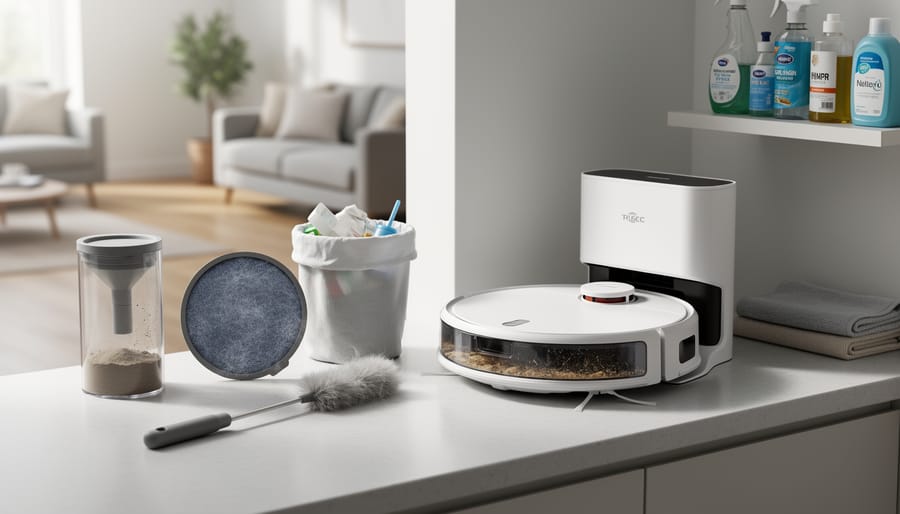
Buyers also overlook dock and bin upkeep. A self-emptying dock reduces how often you handle dust, but the dock bag and the filters still need attention, and mopping models need their water tanks and pads cleaned.
Related to that, don’t assume a hands-free claim applies to every home. A “75-day” or “eight-week” figure comes from the listing and was likely measured under light conditions. A household with shedding pets will probably fill the dock faster.
Skipping app and voice-control compatibility checks is another trap. If you rely on Alexa, confirm that the model supports it and works with your Wi-Fi setup before ordering.
Finally, confirm current availability and specs before you buy. Models can sell out, and the iRobot Roomba Combo 10 Max, for instance, is not currently available. Battery runtime is also rarely stated consistently, so check it on the manufacturer’s listing rather than assuming it.
Robot Vacuum Buying Questions Answered
Can a robot vacuum replace an upright vacuum?
For daily upkeep on hard floors and low-pile carpet, usually yes. Deep cleaning thick carpet, stairs, and tight corners still tends to need a conventional vacuum, so many homes keep both.
Is a mop function worth paying for?
It is worth it if you have mostly hard floors and want light, regular wiping between proper mopping sessions. If your home is mainly carpet, a vacuum-only model avoids extra parts to clean and maintain.
How much suction is enough for pet hair?
Pascal ratings alone don’t settle it. Brush design, an anti-tangle roller, and carpet boost features often matter as much as the number, so read the full feature list rather than comparing Pa figures in isolation.
How do self-emptying docks work?
When a cleaning run ends, the robot returns to its dock, which pulls the dust from the onboard bin into a larger bag or container. That cuts how often you handle dust, though you still need to replace bags and clean filters.
Customer ratings are a useful input when read with context. A score such as 4.3 out of 5 is more meaningful when it rests on thousands of ratings than on a few dozen, and recurring themes in written reviews, like navigation problems or maintenance effort, tell you more than the average alone. Treat ratings as one signal alongside features, floor type, and your tolerance for upkeep.
Battery runtime is rarely stated consistently across listings, so confirm it on the manufacturer’s page before buying rather than assuming it from the model class.
The right vacuum robotic cleaner comes down to a short chain of decisions. Start with your floors and how much upkeep you’re willing to handle. Hard floors with pet hair call for a different machine than mixed carpet and tile, and a self-emptying dock suits anyone who’d rather not touch the bin often. Then weigh the extras: LiDAR or camera-based navigation for reliable mapping, and a mop function only if wet cleaning is something you’ll use.
Customer ratings are worth reading, but treat them as one input among several. A high score from thousands of owners tells you about everyday satisfaction, not whether a model fits your home. Suction figures and hands-free claims come from manufacturer listings, so confirm them before you rely on them.
Robot vacuums are one of the most established pieces of Robotic Home Cleaning Solutions, and the category moves quickly. Before you buy, check the current listing for availability, specs, and what’s included.