

Scrutinize the reviewer’s testing methodology before trusting their conclusions. A credible evaluation discloses specific testing parameters, duration of product use, and comparison criteria rather than vague impressions. Reviewers who transparently explain their benchmarking tools, measurement techniques, and real-world usage scenarios demonstrate commitment to objectivity over promotional content.
Identify financial relationships between reviewers and manufacturers immediately. Genuine unbiased reviews clearly disclose affiliate partnerships, sponsored content, or free product samples at the article’s beginning. This transparency doesn’t automatically invalidate findings, but hidden commercial relationships signal potential bias that compromises credibility.
Cross-reference multiple independent sources to verify claims. Single reviews, regardless of apparent thoroughness, may contain unintentional bias from limited testing conditions or individual preferences. Comparing evaluations across different reviewers reveals consistent performance patterns and distinguishes genuine product characteristics from outlier experiences.
Examine whether reviews acknowledge product limitations alongside strengths. Every electronic device involves trade-offs between features, performance, and price. Reviews presenting only advantages or exclusively focusing on negatives likely reflect bias rather than balanced analysis. Credible evaluations specify which user types benefit most from particular features and who should consider alternatives.
The proliferation of paid promotions disguised as objective analysis has eroded consumer trust in product reviews. Understanding the systematic approach behind genuinely unbiased evaluations empowers you to distinguish marketing content from authentic assessment, ultimately leading to more informed purchasing decisions that align with your specific needs and budget constraints.
What Makes a Review Truly Unbiased
A truly unbiased review stands apart from promotional content and superficial assessments through several fundamental characteristics that prioritize reader trust over commercial interests. At its core, an unbiased review maintains complete independence from manufacturers, meaning the reviewer receives no financial compensation, free products with strings attached, or any incentive that could influence their assessment. This independence ensures that conclusions reflect genuine product performance rather than marketing objectives.
Transparency forms another essential pillar of unbiased reviews. Credible reviewers openly disclose their testing methodology, explaining exactly how they evaluated the product and under what conditions. This might include specifying the duration of testing, the environment in which tests occurred, and any equipment used to measure performance metrics. When readers understand the process, they can better judge whether the review’s findings apply to their own circumstances.
Understanding the foundational concepts helps clarify what distinguishes objective assessments from biased content:
- Independence
- The reviewer maintains no financial or promotional relationship with the product manufacturer that could compromise their judgment or create conflicts of interest.
- Transparency
- Complete disclosure of testing methods, potential conflicts, and the circumstances under which the product was evaluated, allowing readers to assess the review’s credibility.
- Verification
- Conclusions are supported by measurable data, reproducible tests, and evidence that other parties can independently confirm rather than relying solely on personal impressions.
- Balance
- Fair presentation of both advantages and limitations of a product, acknowledging that most electronics excel in some areas while falling short in others.
The most reliable reviews present a balanced perspective, discussing both strengths and weaknesses with equal attention. No product is perfect, and an unbiased assessment acknowledges shortcomings alongside benefits. This balanced approach includes comparing specifications against competing products at similar price points and incorporating authentic customer feedback to validate reviewer findings.
Perhaps most critically, unbiased reviews rely on verifiable data rather than subjective opinions. Measurable metrics such as battery life duration, processing speeds, camera resolution tests, and build quality assessments provide objective foundations for conclusions. When subjective elements like design aesthetics must be discussed, credible reviewers distinguish clearly between factual observations and personal preferences, ensuring readers can separate data-driven insights from individual taste.

The Anatomy of an Unbiased Review Process
Product Selection and Acquisition
The foundation of any credible review process begins with how products enter the testing pipeline. Legitimate review organizations acquire products through the same retail channels available to everyday consumers, purchasing items at full market price from major retailers, online marketplaces, or manufacturer websites. This approach ensures the product received matches exactly what a typical buyer would experience, including standard packaging, accessories, and quality control variations.
Accepting free samples or review units directly from manufacturers introduces inherent conflicts of interest. When a company provides products at no cost, reviewers may consciously or subconsciously feel obligated to provide favorable coverage. This practice creates a relationship that can compromise objectivity, even when reviewers believe they remain impartial. Some manufacturers even send carefully selected units that perform better than average production models, a practice the Federal Trade Commission has addressed through regulations including a final rule banning fake reviews and deceptive endorsements.
Transparent reviewers document their acquisition methods, clearly stating whether products were purchased independently or provided by manufacturers. This disclosure allows readers to assess potential bias themselves. For electronics reviews specifically, purchasing through regular channels also enables testing of the complete customer experience, from ordering and delivery to packaging quality and included documentation. Random retail acquisition better represents the product variability consumers actually encounter, rather than showcasing handpicked exemplars that may not reflect typical performance.
Testing Methodology and Standards
A trustworthy review relies on consistent, repeatable testing protocols that eliminate guesswork and subjective impressions. When reviewers evaluate products without standardized methods, results become unreliable and comparisons between similar items lose meaning. Establishing clear testing methodology ensures that every product within a category undergoes identical scrutiny, allowing consumers to make informed decisions based on objective data rather than random observations.
Effective testing methodology combines controlled laboratory measurements with practical real-world usage scenarios. Laboratory tests provide precise, quantifiable data under controlled conditions. For example, battery life measurements conducted in identical temperature environments with standardized workloads yield comparable results across different devices. Real-world testing complements these measurements by revealing how products perform under typical consumer conditions, including variable lighting, different usage patterns, and everyday wear and tear.
A comprehensive standardized testing process follows this framework:
- Define specific performance metrics relevant to the product category, such as processing speed, battery duration, or image quality measurements.
- Establish controlled testing environments with documented temperature, humidity, and other environmental factors that could influence results.
- Create repeatable test sequences that can be applied identically to each product, ensuring consistency across reviews.
- Document all testing parameters, including software versions, settings configurations, and measurement tools used.
- Conduct multiple test runs to verify result consistency and identify potential anomalies.
- Supplement laboratory data with extended real-world usage periods that reflect typical consumer behavior.
This systematic approach transforms subjective impressions into verifiable data. When reviewers publish their testing protocols alongside results, readers gain transparency into the evaluation process and can better assess review credibility. Standards also enable meaningful product comparisons, helping budget-conscious buyers identify which features genuinely justify price differences versus marketing hype.

Integrating Customer Feedback
Authentic customer feedback forms the backbone of credible reviews, but separating genuine experiences from manipulated testimonials requires systematic verification methods. The most reliable approach involves collecting feedback through multiple independent channels rather than relying on a single source, which helps identify consistent patterns across different platforms.
Verification begins with examining reviewer profiles and purchase histories. Legitimate customers typically have established accounts with varied review activity over time, while fake reviews often come from new accounts or profiles showing suspicious patterns like posting multiple reviews on the same day. Cross-referencing product-specific complaints or praise across different platforms like Amazon, Best Buy, and Reddit helps distinguish authentic experiences from coordinated campaigns.
Timing analysis reveals additional insights. Genuine reviews tend to appear gradually after product launches, reflecting real-world usage periods. A sudden influx of overwhelmingly positive or negative reviews within a short timeframe often indicates manipulation. Similarly, reviews containing specific usage details, minor criticisms alongside praise, and contextual information about the buyer’s needs demonstrate authenticity more convincingly than generic superlatives.
Aggregating verified feedback requires weighting systems that prioritize confirmed purchasers and detailed experiences over brief comments. Many platforms now use “verified purchase” badges, though reviewers should independently confirm these designations when possible. Statistical analysis tools can identify outlier reviews that deviate significantly from established patterns, flagging them for closer examination before incorporation. This methodical approach ensures customer voices enhance review credibility rather than compromise objectivity through undetected bias or fraudulent input.
Editorial Independence and Conflict of Interest Management
Reputable review organizations establish clear firewalls between their editorial teams and revenue-generating departments. This separation ensures that product evaluations remain objective, even when the organization participates in affiliate programs or accepts advertising from manufacturers. Editorial staff typically operate independently, with testing protocols and review conclusions determined without input from business development teams.
Transparency policies require reviewers to disclose any financial relationships that could influence their assessments. This includes affiliate partnerships where the organization earns commissions on product purchases made through their links. Credible reviewers clearly label sponsored content and maintain distinct guidelines that prevent advertisers from influencing editorial decisions or review scores.
Strong conflict of interest management includes policies against accepting gifts from manufacturers, rotating reviewer assignments to prevent favoritism, and implementing editorial review processes where multiple team members verify conclusions. Organizations committed to unbiased reviews publish their conflict of interest policies publicly and provide mechanisms for readers to report potential ethical violations. These structural safeguards help maintain credibility and ensure that recommendations genuinely serve consumer interests rather than business relationships.
Common Pitfalls That Compromise Review Objectivity
Even well-intentioned review processes can fall victim to several common biases that undermine their credibility. Understanding these pitfalls helps consumers identify questionable evaluations and encourages reviewers to maintain higher standards.
Hidden sponsorships and affiliate relationships represent one of the most significant threats to review objectivity. When reviewers receive compensation, free products, or commission-based earnings without clear disclosure, their assessments become inherently compromised. This financial motivation can subtly influence how they frame weaknesses or emphasize strengths. Transparent reviewers always disclose these relationships upfront, typically in dedicated sections explaining their compensation model and how they maintain editorial independence despite commercial arrangements.
Confirmation bias occurs when reviewers approach products with preconceived expectations that color their analysis. For instance, a reviewer who believes premium brands deliver superior quality may unconsciously overlook flaws or interpret neutral features more favorably. This bias becomes particularly problematic when reviewers test products from manufacturers they previously praised, creating a consistency pressure that prevents honest reassessment.
Cherry-picked data and selective reporting distort the complete picture consumers need. Some reviewers highlight only the metrics where a product excels while downplaying or omitting areas of poor performance. Benchmark results might showcase only the most favorable test scenarios, or customer feedback sections might feature predominantly positive testimonials while ignoring substantial negative patterns. Comprehensive reviews should present balanced data sets that reflect typical usage conditions and acknowledge both strengths and limitations.
Inadequate testing periods prevent reviewers from discovering issues that emerge through extended use. A smartphone might perform flawlessly during a three-day evaluation but develop battery degradation, software glitches, or build quality problems after weeks of real-world usage. Rushed reviews driven by embargo dates or publishing schedules often miss these critical long-term considerations that significantly impact user satisfaction.
Finally, failure to update reviews as products evolve through firmware updates, software patches, or manufacturer revisions creates outdated information that misleads consumers. Electronics frequently change after launch, with updates addressing initial flaws or occasionally introducing new problems. Reviews that remain static after publication fail to serve readers researching products months or years after the original assessment, perpetuating information that no longer reflects current product performance.

How to Evaluate Review Credibility as a Consumer
Identifying truly unbiased reviews requires a critical eye and systematic evaluation. As a consumer researching electronics, you should approach every review source with healthy skepticism and ask specific questions before relying on their recommendations.
Start by examining disclosure practices. Legitimate review sites clearly state their relationship with manufacturers, retailers, and affiliate programs. Look for transparency statements on every product review page, not just buried in an about section. The disclosure should explain how the site generates revenue and whether they receive compensation for recommendations. If a reviewer claims independence but provides no information about funding sources or product acquisition methods, consider this a warning sign.
Next, investigate the testing methodology. Credible reviewers document their evaluation process with specifics. They should explain which tests they conduct, how they measure performance metrics, and what criteria they use for comparisons. For electronics like smartphones or laptops, this means detailing battery testing procedures, benchmark software used, and real-world usage scenarios. Vague statements like “we thoroughly tested” without supporting data indicate superficial analysis.
| Category | Trustworthy Indicators | Red Flags |
|---|---|---|
| Disclosure | Clear affiliate statements on every page, funding sources explained | Hidden relationships, no mention of compensation |
| Methodology | Detailed testing procedures, specific metrics, documented processes | Vague claims, no testing details, opinion-based conclusions |
| Content Updates | Regular revisions with timestamps, retesting when products change | Outdated reviews, no revision history, stale recommendations |
| Coverage | Reviews across price points, includes budget options, acknowledges limitations | Only premium products, consistently recommends expensive options |
Review update frequency matters significantly in the fast-moving electronics market. Check publication dates and look for revision timestamps. Quality review sites revisit their recommendations when new models launch or price changes occur. They should also update content when issues emerge post-publication, such as software problems or durability concerns reported by customers.
Compare recommendations across multiple sources. If one reviewer consistently recommends different products than several other credible sources without clear justification, investigate why. Look for patterns in their recommendations—do they favor specific brands regardless of performance? Do they ignore budget-friendly alternatives?
Finally, assess whether the reviewer acknowledges product limitations. No device is perfect, and honest reviews discuss trade-offs. If every reviewed product receives glowing praise without mentioning drawbacks, the source likely lacks objectivity. Credible reviewers explain who specific products suit best and which consumers should look elsewhere, demonstrating genuine concern for reader needs rather than sales conversions.
The Role of Price Comparison in Unbiased Reviews
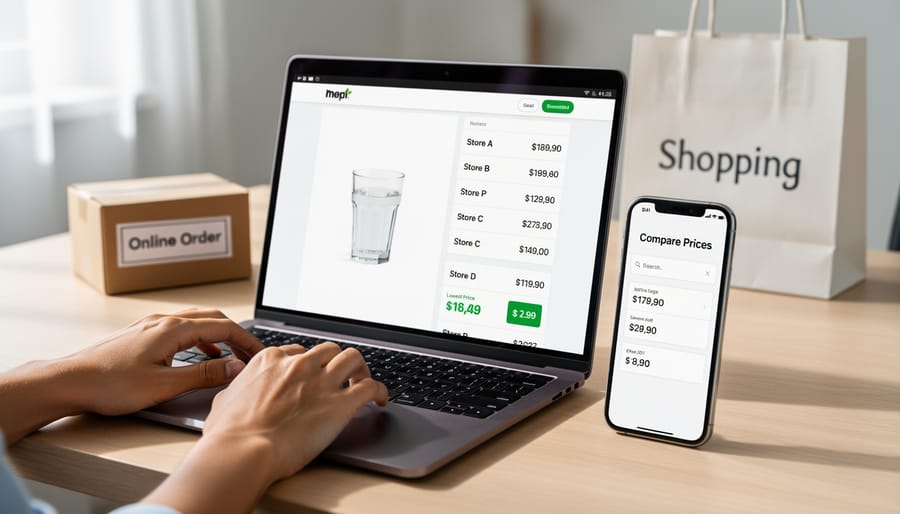
Price comparison serves as a fundamental safeguard against brand favoritism in product reviews. When reviewers examine pricing across multiple retailers—including major platforms like Amazon, Best Buy, Walmart, and manufacturer direct sales—they establish a comprehensive view of actual market value rather than relying on a single source that might inflate or deflate perceived worth.
This multi-retailer approach prevents several common biases. First, it eliminates the temptation to favor brands or products available through exclusive partnerships or affiliate programs with higher commission rates. Second, it reveals price fluctuations and promotional patterns that single-source reviews often miss. A product might appear premium-priced on one platform while being competitively priced elsewhere, information that significantly impacts purchase recommendations.
Comprehensive price tracking also enables reviewers to segment recommendations by budget tier effectively. By monitoring historical pricing data and current market rates across retailers, reviewers can identify which products genuinely deliver value at entry-level, mid-range, and premium price points. This prevents the common pitfall of recommending expensive options simply because they perform marginally better, when budget alternatives might better serve most consumers’ actual needs.
Transparency in pricing methodology matters equally. Credible reviews document when prices were checked, which retailers were surveyed, and whether promotional periods or seasonal sales might affect recommendations. This documentation allows readers to verify claims independently and understand that price-based guidance reflects real market conditions rather than cherry-picked data supporting predetermined conclusions.
The integration of pricing analysis with performance testing creates a value-per-dollar framework that shifts focus from brand prestige to practical consumer benefit. This approach ensures recommendations serve diverse buyer needs rather than pushing premium products regardless of individual budget constraints or use cases.
Truly unbiased reviews aren’t achieved through good intentions alone—they require transparent, systematic processes that can be scrutinized and verified. The most credible review sources implement clear methodologies, disclose all potential conflicts of interest, and maintain consistent testing standards across products. As consumers, demanding accountability from review platforms means looking beyond star ratings and compelling narratives. Examine whether reviewers explain their testing criteria, provide comparative data, and acknowledge limitations in their evaluations. Apply critical thinking to every product recommendation you encounter, regardless of the source’s reputation. Question reviews that seem overwhelmingly positive or negative without substantive evidence. Seek out multiple perspectives and cross-reference findings across different platforms. By holding review sources to higher transparency standards and developing your own evaluation skills, you become better equipped to navigate the complex landscape of product recommendations and make purchasing decisions based on genuine merit rather than hidden agendas.




No Comments