

Black Friday 2026 falls on Friday, November 27, but the shopping event now extends far beyond a single 24-hour period. Most major retailers launch promotional campaigns throughout November, with deals intensifying the week before Thanksgiving and continuing through Cyber Monday on November 30 and into early December. The traditional midnight doorbusters have largely migrated online, where consumers can access early-bird pricing without the crowds.
Understanding this expanded timeline is essential for securing the best electronics deals. Last year, online spending reached a record $11.8 billion on Black Friday alone, with 202.9 million Americans shopping during the five-day Thanksgiving weekend stretch. These numbers reflect both increased participation and the rising average transaction values in the electronics category, where premium devices like laptops, tablets, and smart home systems typically see their steepest annual discounts.
The challenge for tech-focused shoppers isn’t finding deals but identifying genuine value. Retailers often promote selective discounts heavily while maintaining regular pricing on comparable models. Effective strategy requires comparing historical pricing data, tracking specific SKUs ahead of November, and distinguishing between loss-leader promotions on entry-level products versus meaningful markdowns on mid-range and flagship electronics.
This guide provides the framework for navigating Black Friday 2026 with a focus on electronics purchasing. You’ll learn when to expect different categories to go on sale, how to evaluate whether advertised discounts represent true savings, and which preparation steps maximize your chances of securing inventory on high-demand items before stock depletes.
When Black Friday Actually Begins in 2026
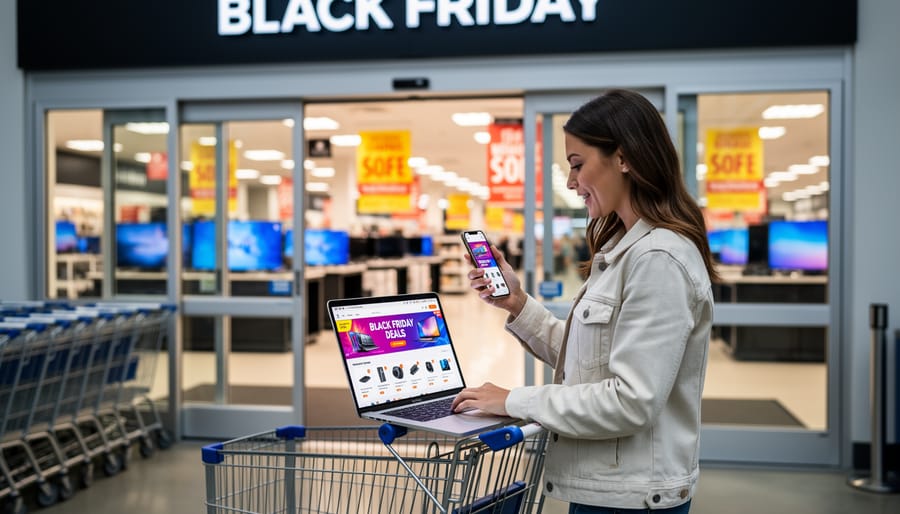
Black Friday carries an official calendar date, but the reality of when deals actually start tells a different story. The Black Friday 2026 date lands on Friday, November 27, with Cyber Monday following three days later on November 30. These dates anchor the traditional shopping weekend, yet they represent just the centerpiece of what has become a month-long sales marathon.
The single-day shopping frenzy that defined Black Friday for decades no longer exists. Major electronics retailers now launch promotions throughout November, often starting their sales events two to three weeks before the official date. This shift reflects both competitive pressure and consumer behavior patterns. Shoppers who once camped outside stores now spread their purchases across multiple weeks, and retailers have adapted by extending deal periods to capture spending earlier in the month.
This extended timeline creates a rolling wave of discounts rather than a concentrated 24-hour event. Early November promotions target shoppers who want to avoid crowds and guarantee product availability. Mid-month sales build momentum as more retailers join. The official Black Friday weekend still sees the heaviest traffic and often the deepest discounts on flagship products, but it no longer holds a monopoly on worthwhile deals. Cyber Monday extends the window further, traditionally offering strong online-only promotions that complement in-store Black Friday pricing.
Understanding this stretched calendar matters for electronics purchases because inventory and pricing fluctuate throughout the period. The best television deal might surface two weeks before November 27, while laptop discounts could peak on Cyber Monday itself. The evolution from single-day to multi-week event gives consumers more flexibility but requires more vigilant price tracking to identify genuine value when it appears.
The Real Cost of Waiting: Black Friday Shopping Patterns
Last year’s Black Friday demonstrated the growing intensity of consumer electronics spending during this retail period. Online spending hit $11.8 billion on Black Friday 2025 alone, setting a new benchmark for single-day digital sales. The five-day stretch from Thanksgiving through Cyber Monday proved even more significant, with the 202.9 million shoppers estimate representing nearly two-thirds of American adults actively purchasing during this concentrated window.
These numbers reveal a critical pattern for electronics buyers in 2026: waiting creates inventory risk. When over 200 million people shop within the same five-day period, high-demand items disappear quickly. Retailers stock finite quantities of doorbusters and heavily discounted models, and popular configurations frequently sell out within hours of deals launching.
The shift toward earlier sales throughout November reflects retailers responding to this demand concentration. By spreading promotions across weeks rather than days, stores manage inventory more effectively and reduce website crashes from traffic spikes. For consumers, this extended timeline means the “best” deal often appears before Black Friday itself arrives.
Understanding these patterns helps shape smarter purchasing decisions. Tracking price drops as they occur through November, rather than gambling on November 27 availability, aligns your strategy with actual market behavior. The data shows that procrastination carries real costs when millions compete for the same discounted electronics.
Electronics Categories Worth Watching on Black Friday

High-Ticket Items vs. Accessories
Black Friday discount patterns differ sharply between major electronics and accessories, making timing crucial for your shopping strategy. High-ticket items like TVs, laptops, and Steam Deck OLED devices typically see their deepest price cuts on Black Friday itself or during the immediate Cyber Monday weekend. Retailers hold back their most aggressive promotions on expensive electronics until the peak shopping days to maximize foot traffic and create urgency around limited inventory.
Accessories follow a different trajectory. Cables, protective cases, charging adapters, and headphones often appear in early November sales at prices matching or sometimes beating Black Friday day offers. Retailers use accessories as loss leaders to draw shoppers weeks before the main event, and margins on these items allow for sustained discounting without significant financial impact.
This pattern extends to handheld gaming systems and gaming accessories. Consoles and premium handhelds receive their best pricing during the core Black Friday-to-Cyber-Monday window, while controllers, memory cards, and carrying cases start discounting earlier.
The practical takeaway: buy accessories during early November sales if pricing matches your research, but wait for Black Friday proper when purchasing expensive electronics. Splitting your strategy by product category rather than buying everything on one day often yields better overall savings across your electronics purchases.
New Models vs. Previous Generation Stock
Retailers discount previous generation electronics more aggressively than current models during Black Friday, often by 30-50% compared to 10-20% off newer releases. This pricing gap stems from inventory clearance goals rather than product quality differences. A 2025 smartphone model at 35% off on Black Friday 2026 delivers most of the same core functionality as the just-released 2026 model at a modest discount.
The value equation shifts based on product category and usage requirements. Last year’s flagship laptop or TV typically matches current needs for most users, making the savings worthwhile. Processing power, screen quality, and build standards don’t degrade meaningfully generation-to-generation in mature categories. You’re sacrificing the latest chipset or minor feature additions, not fundamental capability.
Current models make sense when you need specific new features or plan to keep the device for five-plus years. The latest smartphone with updated connectivity standards or a TV with the newest HDMI specification matters for future-proofing. Previous generation purchases work best for mid-cycle upgrades or when core specifications already exceed your usage demands.
Check manufacturer specifications rather than marketing materials. Compare processor benchmarks, screen specifications, and connectivity options directly. Many “upgraded” features represent incremental improvements rather than transformative changes. Previous generation products at deep discounts often represent better value per dollar of actual performance than modest savings on current inventory.
Price Comparison Strategies Before Black Friday Arrives

Tracking prices weeks before Black Friday separates genuine bargains from marketing hype. Retailers often raise prices in October only to “discount” them back to normal levels come November. Without a baseline, you can’t distinguish real savings from manufactured ones.
Start with price history tools that show three to six months of data. CamelCamelCamel tracks Amazon pricing over time, revealing typical price ranges and historical lows. Browser extensions like Keepa and Honey display price graphs directly on product pages, showing whether that “50% off” laptop actually costs less than it did in September. For electronics outside Amazon’s ecosystem, PriceGrabber and Google Shopping track prices across multiple retailers.
Set price alerts on items you’re seriously considering. Most tracking tools let you specify a target price and notify you when it’s reached. This prevents both overpaying and missing legitimate deals. Create alerts two to three weeks before Black Friday to catch early promotions that sometimes beat the main event pricing.
Document current prices yourself. Screenshot or note actual selling prices in early November for your shortlist items. Check three to five retailers per product to establish the real market price, not just one store’s inflated “regular” price. This personal tracking catches pricing games that automated tools miss, particularly on newer models with limited historical data.
Understanding MSRP versus street price matters enormously for electronics. Manufacturers set suggested retail prices that products rarely sell for after their first few months. A TV with a $1,200 MSRP might have a $900 street price by October. When Black Friday arrives advertising “40% off MSRP,” you’re actually seeing a modest discount from the real going rate. Focus on the actual price you’d pay today versus the sale price, not the manufacturer’s suggestion versus the sale price.
Compare the budget electronics cost across categories before sales begin. Different product types see different discount depths. Previous-generation flagship phones often drop 25-30% during Black Friday, while current models rarely exceed 15% off. Knowing typical discount ranges prevents excitement over mediocre deals and helps you recognize genuinely exceptional pricing when it appears.
Check return policies alongside prices. Some early November promotions restrict returns to 14 days, while purchases made closer to Black Friday often include extended holiday return windows through January. A slightly better price means nothing if you’re stuck with an unsuitable product.
What Customer Feedback Reveals About Black Friday Electronics Purchases
Customer reviews from previous Black Friday electronics purchases reveal consistent patterns that can help shape smarter buying decisions. Analyzing feedback across major retailers shows that satisfaction levels correlate strongly with pre-purchase research rather than discount depth alone.
The most common praise centers on genuine value. Customers who tracked prices for weeks before Black Friday consistently report satisfaction when they secured electronics at documented lows. Positive reviews frequently mention scoring premium headphones at 40% off, upgrading TVs at prices not seen again for months, or finally affording previously out-of-reach laptops. These buyers typically purchased items already on their radar rather than impulse buys.
Pros
- Significant documented savings on big-ticket electronics like TVs and laptops when prices are tracked beforehand.
- Access to premium products that become affordable during deep discount periods.
- Wide selection across categories with many items in stock during early November sales.
- Competitive pricing pressure forces retailers to match or beat competitor offers.
Cons
- Rushed purchase decisions often lead to buyer’s remorse when specifications don’t match actual needs.
- Heavily discounted doorbusters may be older models or refurbished units not clearly marked as such.
- Shipping delays and delivery issues spike during peak Black Friday through Cyber Monday periods.
- Popular electronics sell out quickly, leaving many customers empty-handed despite advertised deals.
Negative feedback patterns cluster around three main issues. First, rushed decisions haunt buyers. Reviews mention purchasing the wrong TV size, laptops with insufficient RAM, or tablets incompatible with needed software. Second, quality concerns surface on the deepest-discounted items. Some customers discover their “amazing deal” was a budget model with inferior specs compared to standard versions. Third, delivery problems dominate complaints during the five-day Thanksgiving-to-Cyber-Monday rush, with late arrivals and damaged shipments mentioned frequently.
The 202.9 million Americans who shopped this period in 2025 generated substantial feedback data. A clear theme emerges: customers who prepared lists, verified specifications, and checked return policies before Black Friday reported far higher satisfaction than those who chased doorbusters without research. Reviews also reveal that early November deals often matched or beat Black Friday Day prices with better availability and less shipping chaos.
Early Sales vs. Black Friday Day: When to Buy
The data reveals a nuanced picture that challenges conventional wisdom about Black Friday timing. Early November promotions now account for a substantial portion of the best electronics deals, particularly for high-demand items that face inventory constraints closer to November 27. Retailers increasingly launch their most aggressive pricing on select products days or even weeks before Black Friday proper, testing consumer response and managing stock levels.
For 2026 electronics purchases, the optimal strategy depends on your target category. TVs and major appliances often see their deepest discounts during the actual Black Friday weekend, with Cyber Monday extending similar pricing online. However, laptops, tablets and smartphones frequently hit their lowest prices during early November sales, as manufacturers and retailers clear inventory ahead of the holiday rush. The 202.9 million shoppers who participated during the 2025 Thanksgiving-to-Cyber-Monday period drove rapid sellouts of popular models, particularly in computing and gaming categories.
Price matching policies provide critical flexibility. Many major electronics retailers now offer pre-Black Friday price protection, allowing early purchasers to claim refunds if prices drop further. This approach combines inventory security with price optimization, though it requires tracking your purchases and filing claims promptly.
Return policy windows matter significantly for timing decisions. Early November purchases often extend return periods through January, providing breathing room for gift-giving scenarios or buyer’s remorse. Black Friday day purchases typically carry standard 15-30 day windows, compressed by the calendar proximity to December 25.
The inventory risk calculation shifted dramatically after 2025’s $11.8 billion online spending record. Popular electronics models now sell out during early promotion waves rather than lasting until Black Friday proper. Cross-reference early pricing against unbiased electronics reviews to assess whether securing inventory at a competitive price outweighs waiting for potentially deeper discounts on depleted stock.
Smart Buying Decisions During the Black Friday Rush
The difference between a smart Black Friday purchase and an expensive mistake often comes down to preparation. Before the sales frenzy begins on November 27, 2026, create a specific list of electronics you actually need with detailed specifications written down. This focused approach prevents the common trap of buying a discounted item that doesn’t meet your requirements simply because the price drop looks impressive.
Research the products on your list thoroughly before deals launch. Read professional reviews, check specifications against your actual usage needs, and document the current prices at multiple retailers. When a Black Friday discount appears, you’ll immediately recognize whether it represents genuine value or just a percentage off an inflated baseline price. The same price-tracking discipline that applies to electronics works for other categories too, similar timing strategies matter whether you’re watching for the next Audible sale or electronics deals.
Verify every specification before clicking purchase. Retailers sometimes feature previous-generation models or lower-spec versions at attractive prices during Black Friday, which works fine if you recognize what you’re buying. Problems arise when shoppers assume they’re getting the current flagship model and discover after delivery they’ve purchased last year’s version with fewer features. Check model numbers, processor generations, storage capacities, and screen specifications against your documented needs.
Return policies deserve attention before purchase, particularly during the compressed Black Friday timeline. Many retailers extend their standard return windows for November purchases, but specific terms vary significantly. Some require returns before January, while others allow only the standard 30 days, which matters when you’re buying weeks before Black Friday’s official date. Screenshot or save the return policy details with your order confirmation.
Don’t let limited-time pressure override your research. If you haven’t verified a product meets your needs, a 40% discount doesn’t make it a good purchase. The most expensive electronics are the ones you buy and don’t use because they weren’t right for your requirements in the first place.
Black Friday 2026 on November 27 represents just one point in an extended sales period that now spans several weeks. The record $11.8 billion in online spending during 2025’s Black Friday and the 202.9 million shoppers who participated over the five-day Thanksgiving weekend demonstrate the scale of opportunity, but also the need for preparation rather than reactive buying.
Success in electronics shopping during this period hinges on tracking prices before sales begin, understanding which categories typically offer genuine discounts, and recognizing that early November promotions can sometimes match or exceed official Black Friday pricing. The evolution from single-day event to multi-week sales marathon means consumers who research specifications, compare prices across retailers, and verify deals against historical pricing patterns consistently outperform those who rush into purchases based solely on promotional messaging.
Strategic planning beats impulse buying every time. By documenting current prices, setting alerts for target products, and approaching Black Friday with clear criteria for what constitutes a worthwhile discount, you transform the shopping experience from overwhelming chaos into informed decision-making. The best electronics purchases happen when preparation meets opportunity, not when urgency drives the choice.




No Comments