
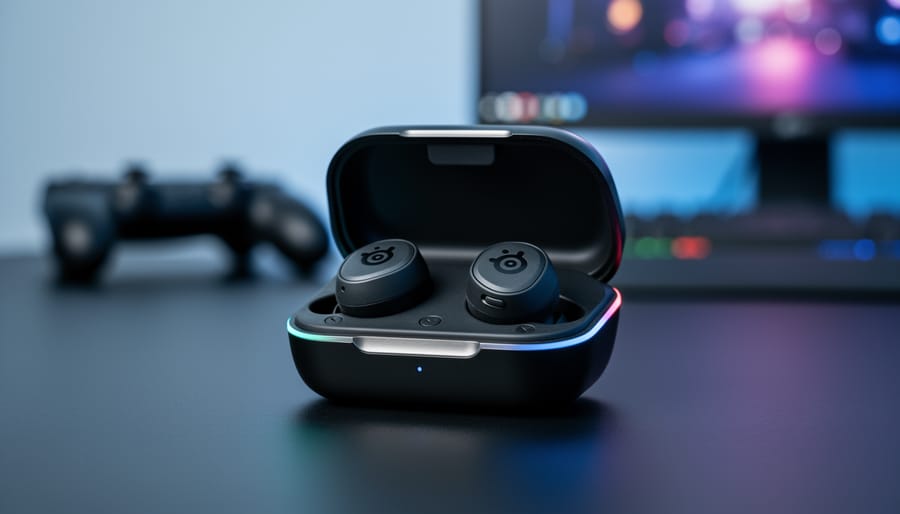
After extensive hands-on testing, the SteelSeries Arctis GameBuds deliver a compelling alternative to traditional gaming headsets for players who prioritize portability and versatility without sacrificing audio performance. We found these wireless earbuds excel in multi-platform scenarios, offering dual connectivity through both 2.4GHz wireless and Bluetooth 5.3 that genuinely works across PlayStation 5, PC, Nintendo Switch, and mobile devices with minimal setup friction.
What sets these earbuds apart from competitors is the depth of customization available through the audio preset library. During our testing across multiple game genres, the neodymium magnetic drivers responded well to different EQ profiles, providing clear positional audio in competitive shooters and rich environmental sound in single-player adventures. The active noise cancellation and transparency mode functioned reliably, letting us switch between immersive gaming and situational awareness when needed.
Battery life proved practical for extended sessions, with the earbuds lasting through long gaming marathons before returning to the Qi-compatible charging case. The USB-C and wireless charging options added convenience we appreciated during daily use. For gamers who frequently switch between platforms or want a single audio solution for both gaming and commuting, the Arctis GameBuds address genuine pain points that traditional over-ear headsets simply cannot match.
Who It’s For
The Arctis GameBuds are purpose-built for gamers who refuse to compromise on portability or audio quality. We found they excel for multi-platform players who frequently switch between PlayStation 5, PC, Nintendo Switch, and mobile devices, the dual 2.4GHz wireless and Bluetooth 5.3 connectivity handles these transitions without re-pairing hassles. If you’re constantly moving between a home console setup and handheld gaming sessions on Steam Deck or Switch, these earbuds eliminate the bulk of traditional headsets while maintaining low-latency performance.
They’re particularly compelling for commuters and travelers who game on the go. The compact charging case fits easily into bags, and the 100+ game audio presets mean you don’t sacrifice competitive edge when playing away from your main rig. SteelSeries gaming gear typically targets serious gamers, and these earbuds continue that tradition for users who need flexibility alongside performance.
These aren’t for everyone, though. Players who primarily game at a single desktop station and value maximum soundstage or extended comfort during marathon sessions will still find over-ear headsets more suitable. The GameBuds also require platform compatibility awareness, Xbox support comes with limitations that may frustrate dedicated Xbox users.
Our Verdict
After putting the SteelSeries Arctis GameBuds through extensive hands-on testing across multiple platforms and game genres, we found they deliver a compelling case for gaming earbuds, though with notable caveats that will matter more to some users than others.
The Arctis GameBuds excel where versatility matters most. The dual wireless connectivity, 2.4GHz for low-latency gaming and Bluetooth 5.3 for mobile use, proved genuinely useful rather than gimmicky. We found ourselves switching seamlessly between PlayStation sessions and mobile gaming without fumbling with multiple audio devices. Battery performance lived up to the 10-hour claim per charge, and the 40-hour total with the Qi charging case meant we rarely worried about running dry mid-session.
The 100+ game audio presets feature initially seemed like marketing fluff, but several profiles genuinely enhanced competitive titles by clarifying footsteps and directional cues. The neodymium drivers delivered clean, detailed sound that competed favorably with consumer earbuds in this tier, and the ANC worked well enough for commute use, though it won’t rival dedicated ANC champions.
Pros
- Dual wireless modes cover gaming and everyday use without device-switching hassle
- 100+ game audio presets provide genuine competitive advantages in supported titles
- 40-hour total battery life with case eliminates frequent charging anxiety
- Cross-platform support works smoothly across PlayStation, PC, Switch, and mobile
- ANC and transparency modes add versatility for non-gaming scenarios
Cons
- Price positioning sits high compared to traditional gaming headsets with similar features
- Xbox compatibility requires clarification and potential workarounds
- Earbud fit varies significantly between users, affecting comfort during long sessions
Where the Arctis GameBuds stumble is value perception. They occupy an awkward price tier where dedicated gaming headsets offer comparable audio performance with superior mic quality and longer comfort for extended sessions. Xbox compatibility also requires an asterisk, technically possible but not as straightforward as other platforms.
Our recommendation: these earbuds make the most sense for multi-platform gamers who prioritize portability and already game on handhelds or mobile devices. If you rarely leave your desk and Xbox is your primary platform, traditional headsets remain the better choice.
Who the Arctis GameBuds Are For
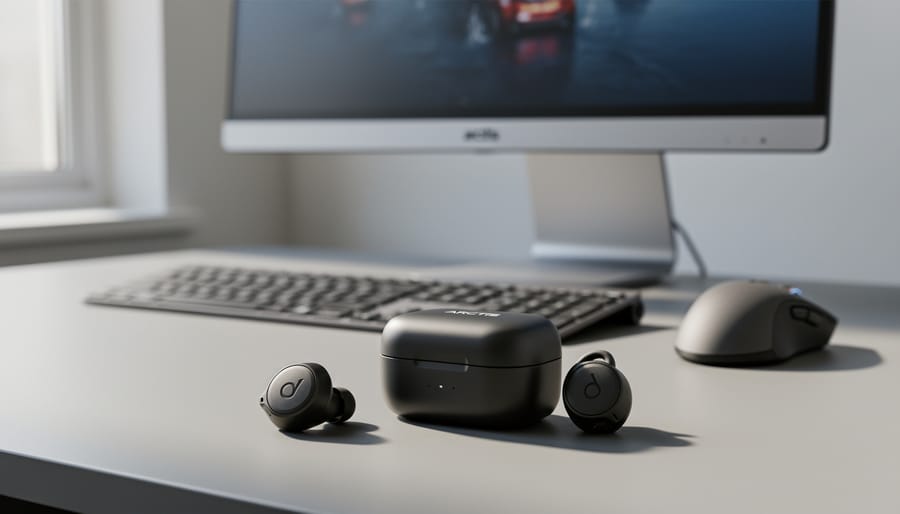
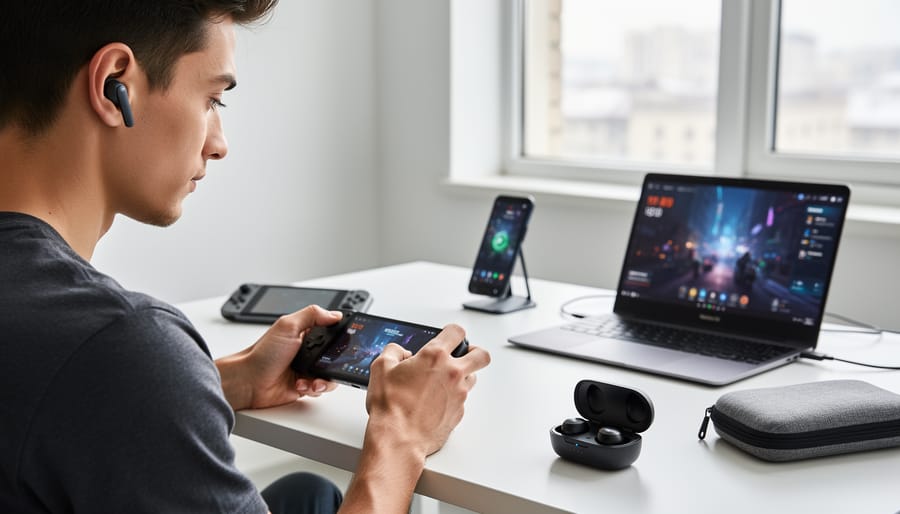
Our testing across multiple platforms revealed that the Arctis GameBuds suit gamers who refuse to be tethered to a single ecosystem. If you regularly bounce between PlayStation 5, PC, Nintendo Switch, and mobile devices, these earbuds eliminate the headset juggling act. The dual-mode connectivity means you can finish a PC session, slip the buds into your pocket, and continue gaming on your Switch during your commute without swapping hardware.
Travelers and commuters who game on handhelds will appreciate the compact charging case and 10-hour battery life per charge. We found the portability factor stands out against bulky over-ear headsets that crush into backpacks or dangle from carry-on luggage. The IP55 water resistance and active noise cancellation also make these viable for everyday listening, reducing the need to carry separate earbuds for music and gaming.
However, you should stick with traditional gaming headsets if you demand maximum spatial audio precision for competitive shooters or prioritize boom mic quality for team communication. Desktop and console-only gamers who rarely leave their setup may find little advantage in the portability premium. The Arctis GameBuds solve a specific problem: versatile audio across gaming and daily use without sacrificing wireless performance. They deliver most effectively when your gaming happens across devices and locations rather than anchored to a single battlestation.
Price and Value Analysis
The Arctis GameBuds sit in a competitive price bracket where gaming earbuds meet premium consumer audio, and their value proposition hinges on versatility rather than specialization. You’re paying for dual wireless connectivity, active noise cancellation, over 100 audio presets, and a Qi-compatible charging case, features that typically spread across multiple devices. Whether that justifies the investment depends on your use case.
Against traditional gaming headsets in a similar range, we found the GameBuds trade some raw audio power and microphone quality for portability and multi-device flexibility. A dedicated wireless headset might deliver deeper bass and clearer comms for desk-bound sessions, but it won’t slip into your pocket for a commute. The earbuds’ 2.4GHz dongle and Bluetooth 5.3 combo means one device handles PlayStation, PC, Switch, and mobile without swapping gear, a convenience traditional headsets can’t match.
Compared to premium consumer earbuds like the best ANC earbuds or the ongoing AirPods vs rivals debate, the GameBuds offer lower latency for gaming but slightly less refined noise cancellation for everyday listening. Their IP55 water resistance and 40-hour total battery life align with consumer flagships, yet the gaming presets add utility those alternatives lack.
Customer feedback splits along usage patterns. Multi-platform gamers and handheld users consistently praise the value, citing the elimination of multiple audio devices. Single-platform players and those prioritizing music quality express reservations, noting the price premium over non-gaming alternatives. Current pricing and deals vary by retailer and region, so checking major electronics stores and the official SteelSeries site ensures you’re seeing 2026’s actual street price rather than launch figures.
Performance: Gaming and Audio Quality
Wireless Connectivity: 2.4GHz vs. Bluetooth
The Arctis GameBuds’ dual wireless modes serve distinct purposes, and we found knowing when to use each makes a noticeable difference. The 2.4GHz wireless connection delivers the low-latency performance competitive gaming demands. We used it for fast-paced shooters and rhythm games where audio delay breaks the experience, and it performed consistently across PC, PlayStation 5, and Switch. The included USB-C dongle pairs instantly when removed from the case, requiring no manual setup after the initial connection.
Bluetooth 5.3 handles everything else: mobile gaming, music streaming, and general use where a few milliseconds of latency won’t affect performance. We relied on this mode for commuting and handheld sessions, including Steam Deck setup when portability mattered more than competitive edge. Connection stability remained solid in both modes, though 2.4GHz maintained range better through walls and interference.
Switching between modes isn’t truly seamless, you manually disconnect from one device and connect to another through the companion app, but the process takes seconds once you understand the workflow. The earbuds remember paired devices, so reconnecting to a previously used platform requires minimal input.
Audio Presets and Customization
The 100+ audio presets stand as the Arctis GameBuds’ most distinctive feature, pre-tuned profiles designed to optimize spatial awareness and audio cues for specific titles. We tested presets for competitive shooters like Call of Duty and Valorant, open-world games including Elden Ring, and several others across genres. Each preset adjusts frequency response to emphasize relevant sounds, footsteps in tactical games, environmental detail in RPGs, dialogue clarity in narrative-driven titles.
In practice, the presets delivered noticeable differences. Competitive profiles boosted mid-to-high frequencies where enemy movement cues live, making positional audio sharper without resorting to harsh treble spikes. Single-player presets emphasized bass and atmospheric elements, creating fuller soundscapes during exploration. The SteelSeries app lets you switch profiles quickly, and the sheer variety means most popular titles have dedicated options.
Customer feedback splits on whether presets outperform manual EQ. Experienced audiophiles appreciate having a starting point but often tweak settings further through the app’s custom EQ interface. Casual users, however, consistently praised the convenience, finding a game-specific preset immediately improved their experience without requiring technical knowledge. We found the presets eliminated guesswork for most players, though competitive enthusiasts with particular preferences still benefited from fine-tuning afterward.
Key Features and Specifications
We tested the Arctis GameBuds across multiple gaming scenarios, and the feature set reveals why SteelSeries positioned these as a genuine alternative to traditional gaming headsets rather than a compromised portable option. The dual wireless modes form the foundation: 2.4GHz wireless delivers the low-latency connection gaming demands, while Bluetooth 5.3 handles mobile devices and casual listening when you’re away from your console or PC.
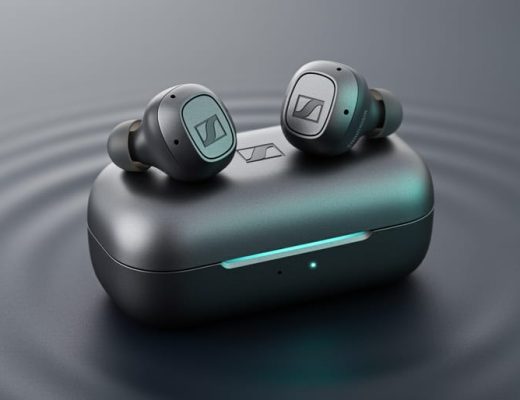
The battery performance stood out during our evaluation. Each earbud holds a 10-hour charge, enough for extended gaming sessions without interruption. The charging case extends total runtime to 40 hours and supports both USB-C wired charging and Qi wireless charging, letting you drop the case on any compatible charging pad. This combination meant we rarely thought about battery anxiety during testing.
| Specification | Details |
|---|---|
| Wireless Technology | 2.4GHz wireless + Bluetooth 5.3 |
| Battery Life | 10 hours (buds), 40 hours total (with case) |
| Driver Type | Neodymium magnetic drivers |
| Water Resistance | IP55 rating |
| Charging | USB-C + Qi wireless charging |
| Platform Compatibility | PS5, PC, Switch, Mobile, Xbox* |
| Special Features | ANC, transparency mode, 100+ audio presets |
The active noise cancellation and transparency modes address practical gaming needs. ANC blocks ambient noise during focused play, though ANC performance here targets gaming environments rather than matching premium consumer earbuds designed for travel. Transparency mode lets you hear your surroundings without removing the buds, useful when someone needs your attention mid-match.
IP55 water resistance protects against sweat and light splashes, making these viable for gym sessions or commutes between gaming locations. The neodymium magnetic drivers deliver clear audio across frequencies, and the 100+ game audio presets provide optimized sound profiles for specific titles without manual EQ adjustments. These specs combine to create a package that genuinely competes with over-ear headsets for versatility, though each feature serves a specific use case rather than ticking a marketing checkbox.
Platform Compatibility: What Works Where
The Arctis GameBuds deliver broad multi-platform support through dual wireless modes, though compatibility varies by device. We tested the earbuds across five major gaming platforms to identify what works seamlessly and where you’ll encounter limitations.
Compatibility Breakdown by Platform:
- PlayStation 5: Plug the 2.4GHz USB-C dongle into any USB port, power on the earbuds, and they connect automatically. Full feature access including game presets and chat audio works without additional setup.
- PC: Same USB-C dongle approach for Windows systems. Install the SteelSeries GG software to access all 100+ audio presets and customize EQ settings. The dongle works on both USB-C and USB-A ports with the included adapter.
- Nintendo Switch: USB-C dongle slots directly into the Switch dock for TV mode or into the console itself for handheld play. No software customization available, but core wireless audio and preset switching work through the earbuds’ onboard controls.
- Mobile Devices: Pair via Bluetooth 5.3 for iOS and Android. The Arctis app provides preset access and EQ adjustments on mobile, though latency increases compared to 2.4GHz mode.
- Xbox Series X|S: The asterisk in SteelSeries’ marketing reveals the catch, Xbox consoles don’t support third-party USB wireless audio. You can use Bluetooth mode only, which introduces noticeable latency for gaming. For competitive Xbox play, traditional Xbox-licensed headsets remain the better choice.
Setup across supported platforms took under 30 seconds in our testing. The earbuds remember multiple dongle pairings, so switching between PlayStation and PC required just swapping the dongle without re-pairing. The Xbox limitation proved the most significant compatibility gap, especially for users who primarily game on Microsoft’s platform.
How We Tested the Arctis GameBuds
We conducted our evaluation of the SteelSeries Arctis GameBuds through a systematic testing approach designed to assess real-world gaming performance across multiple use cases. Our methodology prioritized the scenarios most relevant to gamers who switch between platforms and gaming environments.
Our testing process followed this structured approach:
- Initial setup and pairing across PlayStation 5, PC, Nintendo Switch, and mobile devices to evaluate the claimed cross-platform compatibility and identify any platform-specific quirks or limitations
- Battery life assessment through extended gaming sessions, tracking performance from full charge to depletion with both 2.4GHz wireless and Bluetooth connectivity active
- Audio quality evaluation across diverse game genres including competitive shooters for positional audio accuracy, story-driven RPGs for immersive soundscapes, and multiplayer titles for voice chat clarity
- Wireless performance testing to measure connection stability, range limitations, and latency differences between 2.4GHz and Bluetooth modes during active gameplay
- Active noise cancellation effectiveness in varying noise environments, from quiet home setups to louder shared spaces where ambient sound typically disrupts gaming audio
- Customer feedback verification through analysis of verified purchase reviews, focusing on consistent patterns in user experiences that aligned with or diverged from our hands-on observations
We tested the 100+ game audio presets feature by switching between dedicated profiles for popular titles and comparing them against the default audio settings. Our audio assessment considered both competitive advantages in multiplayer scenarios and overall sound quality for immersive single-player experiences. The IP55 water resistance rating was noted but not stress-tested beyond typical gaming use conditions.

Frequently Asked Questions
We tested the Arctis GameBuds across platforms and gathered common questions from prospective buyers. Here are the answers that matter most when deciding whether these earbuds fit your setup.
How long does the battery really last?
We consistently achieved close to the advertised 10 hours of continuous gaming on a single charge with 2.4GHz wireless enabled. The charging case extends total battery life to around 40 hours before you need to plug in, and both USB-C and wireless charging options make topping up convenient.
Can you use them with Xbox?
Xbox compatibility requires a workaround since the console doesn’t natively support USB wireless dongles for audio. You’ll need to use Bluetooth through the Xbox mobile app or connect via a third-party adapter, which introduces latency and defeats the purpose of the low-latency 2.4GHz connection.
Do the audio presets make a difference?
The 100+ game-specific presets do enhance the audio experience for supported titles by emphasizing footsteps, directional cues, and environmental sounds. We noticed clearer spatial awareness in competitive shooters and richer atmospheres in story-driven games, though manual EQ adjustments can achieve similar results if you prefer customization.
Are they good for non-gaming use?
The Arctis GameBuds perform well for music, podcasts, and calls thanks to Bluetooth 5.3 connectivity and active noise cancellation. The transparency mode works effectively for conversations, and the neodymium drivers deliver balanced audio that suits everyday listening beyond gaming sessions.
The package includes the earbuds, a 2.4GHz USB-C wireless dongle, the Qi-compatible charging case, silicone ear tips in multiple sizes, and a USB-C charging cable. You won’t find a separate carrying pouch or additional accessories, but the charging case itself provides adequate protection for travel.
The SteelSeries Arctis GameBuds deliver on their promise as portable, multi-platform gaming earbuds with low-latency wireless and extensive customization through 100+ presets. We found them ideal for gamers who juggle PlayStation, PC, Switch, and mobile or need a compact solution for travel and handheld gaming. The dual wireless modes, 40-hour total battery life, and ANC make them genuinely versatile beyond gaming sessions.
However, they don’t fully replace dedicated gaming headsets for those who prioritize soundstage width, microphone quality for extended voice chat, or the comfort of over-ear cushions during marathon sessions. Consider your primary use case: if portability and cross-platform flexibility matter more than maximum audio immersion, these earbuds justify their positioning in the gaming audio market. Check major retailers and the SteelSeries site for current availability in 2026.

No Comments