
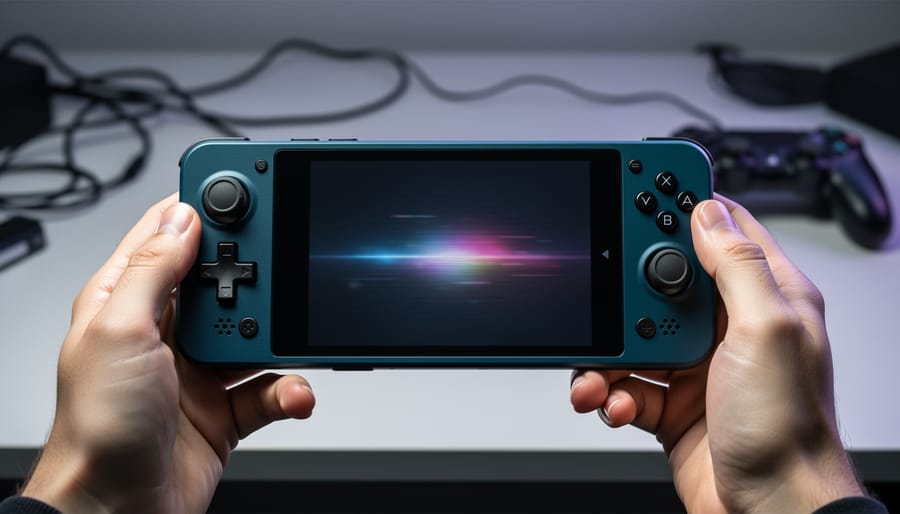
The Retroid Pocket 4 Pro is a $139 Android-based handheld gaming device designed primarily for emulating classic and modern games, featuring an octa-core processor with 4xA78 cores at 2.6GHz and 4xA55 cores at 2.0GHz, a Mali-G77 MC9 GPU, and 8GB of LPDDR4x RAM. This hardware configuration places it in the mid-tier category of handheld emulation devices, capable of running everything from 8-bit classics through PlayStation 2 and GameCube titles with varying degrees of success depending on the specific game.
The device began shipping in January 2024 and has since received multiple firmware updates that addressed early issues and added official Google Play support, expanding its functionality beyond pure emulation. Users can now access streaming services, productivity apps, and Android games alongside their emulation libraries. The inclusion of 8GB RAM marks a significant step up from previous Retroid models, providing headroom for more demanding emulators and multitasking.
Real-world customer feedback highlights the device’s value proposition: competent performance at a budget price point. However, early production runs experienced trigger mechanism issues, prompting Retroid to offer a two-year warranty specifically for triggers on units shipped before January 30, 2024. This detail matters for anyone considering a used unit or evaluating the company’s quality control trajectory.
For tech-savvy consumers researching their options, the Pocket 4 Pro sits at an interesting intersection. It offers substantially more power than budget competitors while undercutting premium handheld emulators by $100 or more. The trade-off comes in build quality, screen specifications, and the occasional need to tinker with emulator settings to achieve optimal performance across different systems.
What Is the Retroid Pocket 4 Pro?
The Retroid Pocket 4 Pro is a dedicated emulation handheld designed specifically for playing retro games and running Android applications. Unlike mainstream gaming devices from Nintendo or Valve that focus on proprietary ecosystems, this device targets a niche audience interested in emulating classic console games from multiple generations. It occupies a unique space between budget smartphones with gaming controllers and premium handheld PCs, offering hardware built expressly for emulation without the compromises of repurposing general-purpose devices.
At its core, the device runs Android, providing access to emulation software, retro game frontends, and Android games from the Play Store. The hardware includes an ARM-based processor configuration with 4×A78 cores at 2.6GHz and 4×A55 cores at 2.0GHz, paired with 8GB of LPDDR4x RAM. This specification set positions it above entry-level emulation handhelds but below high-end devices capable of running modern PC games.
The Retroid Pocket 4 Pro appeals primarily to two groups: enthusiasts who want a portable device for their emulation libraries without draining their phone battery, and budget-conscious gamers seeking capable hardware without the premium pricing of devices like the Steam Deck. It differentiates itself from smartphones by including physical controls optimized for gaming, better thermal management for sustained performance, and a form factor designed for extended play sessions. The device shipped starting January 15, 2024, and is currently available through with pricing from $139.00, making it one of the more accessible options in the growing handheld emulation market.
Technical Specifications and Hardware Features
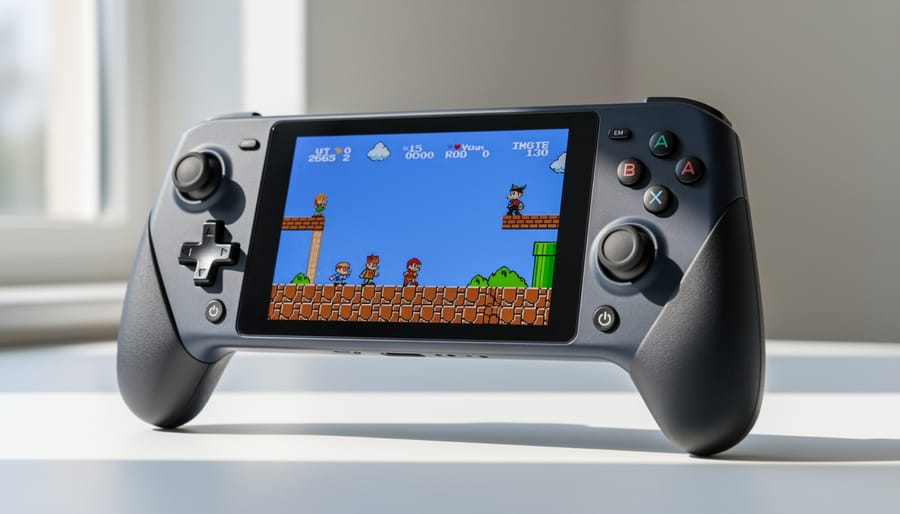
The Retroid Pocket 4 Pro packs hardware that punches well above its price point, built around an octa-core ARM processor configuration that splits workload between four high-performance A78 cores running at 2.6GHz and four efficiency-focused A55 cores at 2.0GHz. This big.LITTLE architecture lets the device balance power and battery life, ramping up the A78 cores for demanding emulation while the A55 cores handle lighter tasks and background processes.
Graphics processing comes from the ARM Mali G77 MC9 GPU clocked at 836MHz, a mid-range chip designed for mobile devices that delivers enough muscle to handle PlayStation Portable, Dreamcast, and select GameCube titles with reasonable performance. The GPU’s nine cores provide dedicated graphics acceleration that takes the load off the CPU during intensive rendering tasks, though you shouldn’t expect flawless performance on the most demanding systems like PlayStation 2 or higher-end Android games.
| Component | Specification | Practical Impact |
|---|---|---|
| CPU | 4×A78@2.6GHz + 4×A55@2.0GHz | Handles multiple emulators simultaneously, supports 32-bit and 64-bit platforms |
| GPU | G77 MC9@836MHz | Enables hardware acceleration for PSP, Dreamcast, and lighter GameCube games |
| RAM | 8GB LPDDR4x | Prevents slowdowns when switching between games and apps, supports Android multitasking |
The 8GB of LPDDR4x RAM stands out as a generous allocation for a handheld in this price range. This memory capacity means you can run multiple emulator apps without worrying about crashes or forced reloads, and the LPDDR4x specification ensures faster data access speeds compared to older DDR4 variants. In practice, this translates to quicker game loading times and smoother performance when you’re jumping between different emulators or using Android apps alongside your games.
Beyond the main processing components, the device includes standard connectivity features expected in modern Android handhelds, though specific details about storage capacity, screen resolution, and battery size vary by configuration. The Android-based operating system means you can install emulators directly from the Google Play Store following an OTA update that added official support, eliminating the need for sideloading apps or complex workarounds. This hardware foundation positions the Retroid Pocket 4 Pro as a capable device for retro gaming libraries spanning 8-bit systems through sixth-generation consoles, with performance dropping off as you approach more demanding platforms.
Performance Capabilities and Emulation Support

The Retroid Pocket 4 Pro’s hardware configuration, a mid-range octa-core CPU paired with 8GB RAM and a Mali-G77 GPU, positions it comfortably in the 16-bit to early 3D console era with strong performance across most systems up to PlayStation 1 and Nintendo DS. Emulators for NES, SNES, Genesis, Game Boy Advance, and similar platforms run without issue, typically achieving full speed with headroom for filters and upscaling. The device handles PSP emulation reasonably well for most titles, though the more demanding games may require frame skip adjustments or reduced internal resolution.
Where the hardware shows its limits is with sixth-generation consoles and beyond. GameCube and Wii emulation falls into inconsistent territory, lighter titles may reach playable speeds, but graphically intensive games often struggle or require significant performance compromises. PlayStation 2 emulation remains challenging across the board, with only a handful of less demanding titles approaching playability even at lower settings. The Dreamcast library fares better, with many games running at acceptable speeds, though compatibility varies by emulator build.
Android gaming capability extends to older Play Store titles and some lighter modern games, but the G77 GPU isn’t designed for current high-end mobile gaming. Users looking for a device comparable to the PS Vita in terms of native game library should note this is primarily an emulation device, not a competitor for dedicated gaming handhelds with proprietary ecosystems.
Emulation performance depends heavily on which community-developed emulators you install and how you configure them. RetroArch cores provide broad compatibility but require per-core optimization, while standalone emulators like AetherSX2 or Dolphin offer more granular settings at the cost of storage space. The 8GB RAM reduces loading stutter and allows comfortable multitasking between apps, but doesn’t fundamentally change the computational ceiling set by the CPU and GPU pairing.
Software, Firmware, and Updates
The Retroid Pocket 4 Pro runs an Android-based operating system that gives users access to a wide range of emulation apps and Android games. This foundation allows the device to support multiple emulator platforms while providing a familiar interface for users who have worked with Android devices before.
Retroid has maintained active development of the device’s firmware since launch. The company released firmware version on February 29, 2024, addressing early user feedback and system stability. A subsequent over-the-air update brought official Google Play support to the device, expanding access to apps and games beyond sideloaded options. This update also included various system optimizations and bug fixes that improved overall performance and user experience.
The firmware update process itself is straightforward, with users able to access new versions through the device’s built-in upgrade option. However, users need to be aware of a significant consideration when dealing with major Android version changes.
This formatting requirement means users should back up any saved games, configurations, or downloaded content before proceeding with major version upgrades. The company has made this warning clear in its official documentation to prevent unexpected data loss.
The combination of regular firmware updates and official Google Play access indicates ongoing support from Retroid. This matters for buyers considering long-term value, as continued software improvements can extend the useful life of the hardware and address compatibility issues with newer emulators or Android applications as they emerge.
Pricing and Availability
The Retroid Pocket 4 Pro is available directly from with pricing starting at $139.00. This represents both the regular and current sale price, positioning it firmly in the affordable tier of dedicated handheld gaming devices. Shipping for the device began on January 15, 2024, marking its official entry into the market.
At this price point, the device offers a notable value proposition compared to mainstream gaming handhelds that typically cost several hundred dollars more. The sub-$150 entry price makes it accessible to budget-conscious gamers and emulation enthusiasts who want dedicated hardware without the premium attached to devices like the Steam Deck or Nintendo Switch. For context on how this fits into the broader electronics landscape, budget electronics cost considerations have become increasingly important for consumers in 2026.
The device’s pricing remains consistent as of this writing, though typical promotional cycles in the handheld gaming space suggest potential for temporary discounts during major shopping periods. Availability appears stable through the official retail channel, with the device listed as in-stock for immediate purchase. The company ships internationally, though specific regional pricing and availability details vary by location.
For buyers considering a purchase, the direct-from-manufacturer pricing eliminates markup from third-party retailers, though it also means limited options for in-person inspection before buying or immediate local warranty service.
Warranty Coverage and Support
Retroid provides a 2-year warranty specifically for the triggers on Pocket 4 Pro units that shipped before January 30, 2024. This extended coverage addresses a component prone to wear from frequent use, offering buyers peace of mind for a part that sees constant action during gameplay. Standard warranty terms cover manufacturing defects and hardware failures under normal use conditions.
For units purchased through the official store, warranty claims typically require proof of purchase and may involve shipping the device back for inspection or repair. The process varies depending on the specific issue and warranty eligibility.
Secondary market purchases carry different terms. Used units sold through retailers like come with a 30-day warranty, significantly shorter than the manufacturer’s coverage but standard for pre-owned electronics. When considering unbiased reviews and warranty factors, new buyers get substantially longer protection than those opting for used devices.
Understanding these warranty distinctions helps buyers weigh the trade-off between upfront savings on used units versus the security of longer coverage on new purchases. The trigger-specific warranty extension suggests Retroid acknowledged potential durability concerns for early production runs.
What Customers Are Saying
Users who have picked up the Retroid Pocket 4 Pro since its January 2024 launch generally praise its build quality and solid construction, noting that the device feels well-assembled for its price point. Many highlight the responsive controls and comfortable button layout, which make extended gaming sessions manageable. The 8GB of RAM and capable CPU configuration receive positive mentions for handling a wide range of emulation tasks smoothly, particularly for 16-bit and 32-bit era systems.
Screen quality feedback is mixed. While many users find the display adequate for retro gaming, some note that brightness and viewing angles fall short compared to higher-end handhelds. The addition of official Google Play support through the firmware update has been well-received, expanding the device’s utility beyond dedicated emulation software.
Performance reports suggest the hardware handles most retro systems without issue, though users note occasional struggles with more demanding 3D titles and newer Android games. Battery life receives moderate marks, sufficient for portable play sessions but not exceptional. Some users who also own premium devices like those discussed in a Steam Deck comparison emphasize that expectations should align with the budget-friendly pricing.
The value proposition stands out consistently in user feedback. At $139, buyers feel they’re getting capable emulation hardware without paying for features they don’t need. Common concerns include limited storage expansion options and occasional software quirks that require firmware updates to resolve, though Retroid’s update track record reassures many users.
Common Questions About the Retroid Pocket 4 Pro
Potential buyers typically want to know whether the Retroid Pocket 4 Pro will run their favorite games, how difficult it is to set up, and whether it represents good value compared to other handheld gaming systems at similar price points.
What systems can the Retroid Pocket 4 Pro emulate?
The hardware specifications, 4×A78@2.6GHz + 4×A55@2.0GHz CPU, G77 MC9@836MHz GPU, and 8GB LPDDR4x RAM, support emulation of older console generations and many Android titles. Performance varies depending on the specific emulator and game requirements.
How complicated is the initial setup?
The device runs Android and includes official Google Play support through an OTA update. Users familiar with Android devices will find setup straightforward, though emulation beginners may need time to configure emulators and transfer game files.
Is the Retroid Pocket 4 Pro suitable for beginners?
It depends on your comfort level with Android and emulation. The device requires some technical knowledge to optimize emulator settings, but the Android interface and Google Play access make it more approachable than Linux-based alternatives.
What warranty coverage comes with the device?
Retroid offered a 2-year warranty on triggers for units shipped before January 30, 2024. Standard warranty terms apply to other components, though specific duration details vary by purchase date and retailer.
The $139.00 price point positions this device in the budget-to-mid-range category for dedicated emulation handhelds. Buyers should weigh the hardware specifications against their specific emulation needs, particularly which console generations matter most to them. Experienced emulation enthusiasts will appreciate the specs-per-dollar ratio and the flexibility of Android, while newcomers should consider whether they’re willing to invest time learning emulator configuration and troubleshooting.
The Retroid Pocket 4 Pro presents a compelling option for consumers seeking a dedicated emulation handheld without premium pricing. Its ARM-based processor configuration with 8GB RAM delivers capable performance across multiple console generations, while the $139 price point positions it accessibly within the handheld gaming market. The device’s Android foundation, official Google Play support through firmware updates, and two-year trigger warranty for early units demonstrate ongoing manufacturer commitment.
This handheld makes most sense for tech-savvy users comfortable with emulation setup and those prioritizing hardware specifications over brand recognition. Budget-conscious gamers willing to navigate firmware updates and platform configuration will find reasonable value here. The device fits less naturally for consumers seeking plug-and-play simplicity or guaranteed compatibility with specific titles.
Your purchasing decision should weigh the verified hardware capabilities against your emulation goals, technical comfort level, and budget constraints. The specifications support realistic expectations for retro and select modern Android gaming, provided you understand the setup requirements and performance limitations inherent in mid-range hardware. Consider whether the price-to-performance ratio aligns with your specific gaming needs before committing.



No Comments